

AFCON in Morocco: A Night Where Senegal Rose Highest

On the day of the Africa Cup of Nations final, Rabat seemed more alive than ever. The capital buzzed with energy, its streets alive with red and green jerseys weaving through historic alleys. Conversations filled the city’s cafés as people debated, predicted, and shared laughter over warm mint tea. The air rich with the mix of salty breeze and the fragrance of mint, felt heavy with excitement. A mutual sense of hope tied strangers together creating an atmosphere that was both vibrant and close-knit.
Morocco spent fifty years waiting for this day, an entire half-century of hopes put on hold. Senegal waited just as long, steady and unwavering like the steady breeze of the desert.
As the sun sank into the Atlantic, the Prince Moulay Abdellah Stadium lit up the night glowing bright like a beacon. Its lights cut through the evening sky pulling thousands toward a night filled with the promise of joy, sadness, or maybe some of both. Their steps echoed through streets filled with the weight of hundreds of years of history.
Two Teams, Two Paths, One Moment
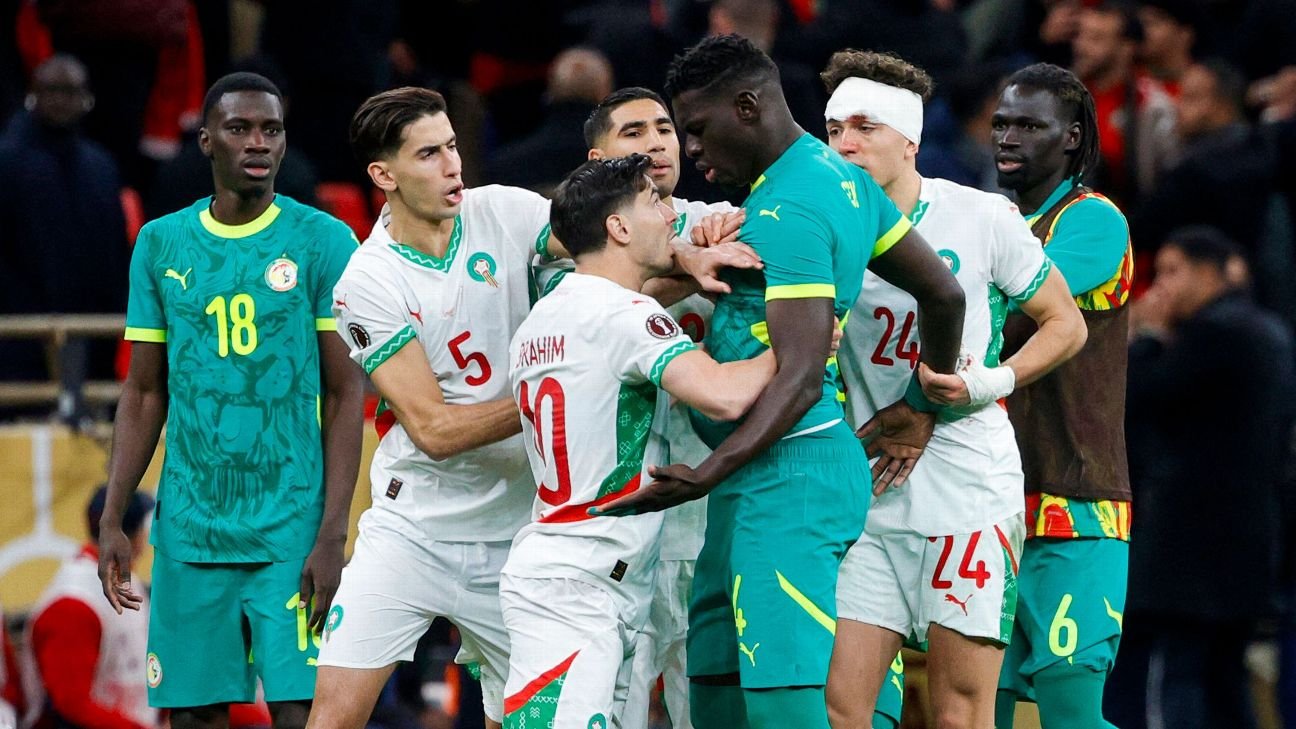
Morocco reached the final as the home team top contenders, and the heart of the country’s hopes carrying the dreams of 37 million people. Their journey to the 2022 World Cup semifinals had changed how the world viewed African football. It broke stereotypes and opened doors to fresh opportunities. Coming back to the AFCON final seemed like they were fulfilling a destiny, a story that felt both inspiring and burdensome.
Senegal entered the scene with a story that felt less poetic but far more determined built on the tough lessons left by past heartbreaks. They had grown into Africa’s most dependable finalists, a squad defined by close calls tight wins, and the calm assurance of athletes who understood that the biggest moments in football favor those who stay steady over those who feel fired up. Their path told a tale of persistence, of stumbling and getting back up, of turning every failure into a stepping stone.
While Morocco captured imaginations, Senegal offered a message shaped by hard-earned wisdom.
Chaos Meets Composure
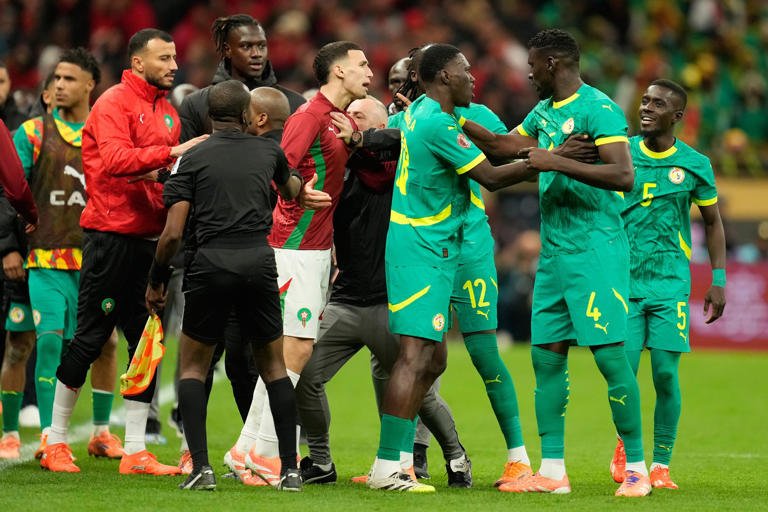
The whistle blew and the crowd erupted in a deafening roar that felt like it shook the whole stadium. That sound carried the weight of years of anticipation. Morocco pushed forward with the determination of a team trying to leave its past behind. Every move looked fueled by the urgency of knowing their chance was right in front of them. The wingers stretched the field wide almost to the breaking point. The midfielders pushed high up the pitch chasing as a group. The full-backs charged forward boldly turning the sidelines into open lanes of opportunity.
Senegal didn’t match their frantic pace. Instead, they absorbed it much like a skilled fighter who turns an opponent’s aggression against them.
Their formation stayed strong forming a tight wall of green and yellow. The midfield stuck to its structure with precision, like it had been plotted out on a grid. The defenders stayed calm and steady resisting the roaring emotion that surged through the stadium holding their ground against repeated attacks.
This difference in style became the story of the night:
Morocco played with the passion of an entire nation, every pass filled with the hopes of countless fans.
Senegal moved with the weight of past defeats and the knowledge gained from them, every play deliberate and exact.
The Penalty That Silenced a Continent
As the second half drew near its end, the moment came, clear and sharp like ice forming on a window.
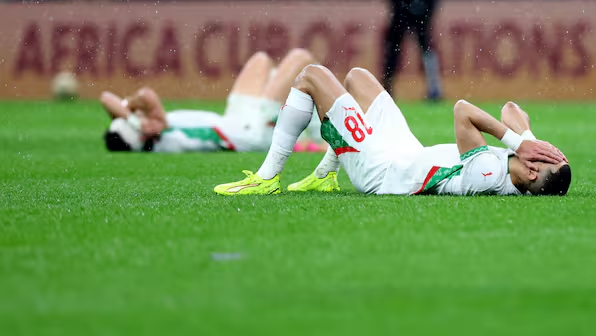
A Moroccan player tripped inside the box, his tumble feeling like it took forever. The referee signaled the penalty without hesitation. Cheers erupted through the stadium. It wasn’t pure celebration, but more like everyone letting go of all their tension at once.
Brahim Díaz walked up, each step heavy with the pull of history. He set the ball down fixing its position with care, as if handling something fragile and priceless. He took a deep breath that seemed to slow down time.
He went for a Panenka. It was bold and risky, a mix of skill and nerve that could make him a legend or haunt him forever. The ball floating, was caught by Édouard Mendy, like a butterfly landing on a massive hand. Time froze for a moment caught between a heartbeat and a breath.
Silence swallowed the stadium, heavy and total. It felt like something you could touch, a void replacing the dreams that had been alive just seconds earlier.
This was the kind of event that changes the emotional pulse of a game. A turning point. It was as if time twisted, stretching and collapsing all at once. Thousands of fans and twenty-two players felt the ground shift beneath them. The missed Panenka penalty lingered like a thought left unfinished, its meaning cutting through the stadium with shocking clarity.
Senegal grasped the situation right away showing the sharp instincts of a team that had faced tough challenges before. They saw that saving the penalty wasn’t just about blocking a shot—it shifted the energy of the game becoming a turning point that could change everything.
The Goal That Changed Everything
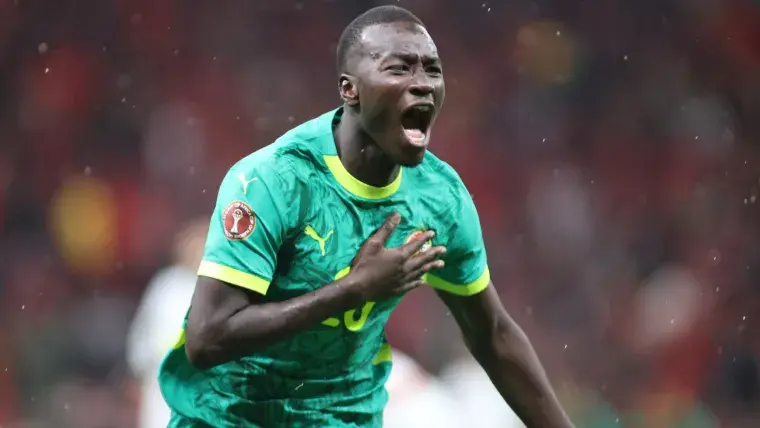
Just three minutes into extra time, Senegal made their move. They took their chance like skilled hunters finishing it off with sharp accuracy. Nampalys Mendy won the ball back in midfield with smart positioning. Idrissa Gueye followed up with a sharp pass that pushed the play forward. Then, Pape Gueye slipped into the half-space like he was unnoticed striking a curling shot that soared past Bono into the top corner. The ball seemed to follow a path that felt destined.
This goal wasn’t chaotic or lucky. It showed Senegal’s thoughtful strategy and calm decision-making. Every pass, every move, and every choice came from deep experience honed over years of high-level play. There were no over-the-top celebrations or dramatic gestures from Senegal. They didn’t rush to the corners or throw arms in wild excitement. Instead, they stayed composed.
They celebrated like a group familiar with this moment showing the calm pride of experts who had carried out their strategy. The way they held back revealed their winning mindset.
Morocco, for the first time all match, looked unsure. The confidence they had shown earlier turned into visible uncertainty. Their attacks became rushed lacking the careful planning that had defined their earlier moves. They played longer riskier passes showing their growing frustration. Their organization began to falter as urgency took over, and the once-unified team started to unravel.
Senegal, on the other hand, tightened their hold on the match with poise that experienced champions possess. They dictated the game’s pace slowing it down to suit their style controlling every moment like the leaders of a well-rehearsed orchestra. They silenced the crowd and turned the stadium’s loud cheers into a quiet grumble by controlling the game.
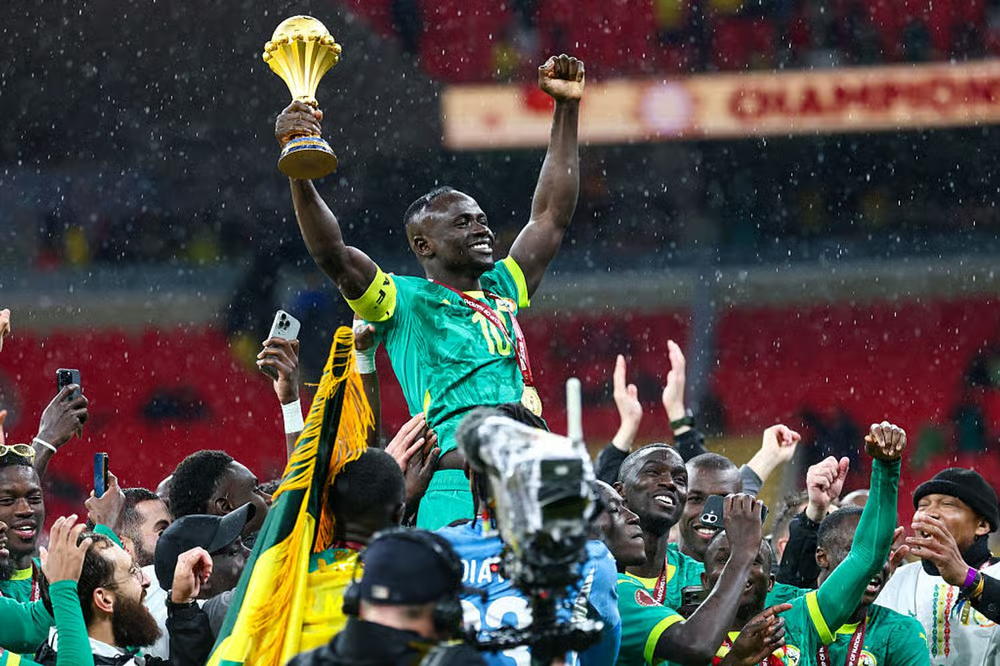
When the referee’s whistle rang out in the thick Rabat air, the Lions of Teranga had claimed a 1–0 win. This was another moment in a campaign built not on overwhelming power but on strength and endurance. Their victory mirrored their tournament path—practical, tough, and conclusive. It may not have been glamorous or exciting, but it showed the traits of true champions who know that winning matters more than style in a final.
The Senegalese players’ expressions showed more than just happiness; they revealed a sense of triumph. This was a team that had stayed true to their methods believed in their journey, and tasted victory. Their celebration wasn’t just about joy. It was an emotional outburst and a proud declaration of who they are as a team. They showed that winning demands not just skill but also the right mindset.
Scoring against Morocco felt like turning a key to unlock all the tension they had been holding under control throughout the tournament. For a brief moment, the weight of expectations lifted thanks to their strategic focus. But it quickly returned shattering their polished game strategy. In the final moments of their campaign, they seemed to battle a dual opponent—time and growing nervousness. The frantic energy they showed emphasized the calmness and control of their competition.
African football showed a lot about itself, it showed a continent ready to host top-tier events with smooth planning modern stadiums, and lively fans who packed arenas with energy and excitement. It revealed teams that blended smart tactics and deep emotional strength displaying advanced skills combined with clever strategies to show that African football had grown far beyond just physical talent.
It told stories no longer just about potential but about real success. These stories were built around wins tactical brilliance, and breathtaking moments that earned respect worldwide.
Pedigree Over Passion, But Everyone Took Something Home
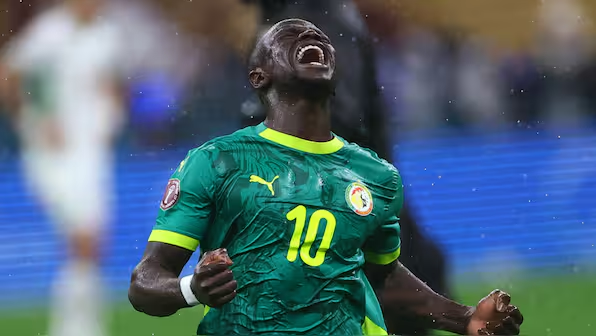
Morocco’s play burned with intensity, their attacks full of thrilling promise. Senegal relied on memories planning every move based on what they had learned before. Morocco bore the weight of a nation’s dreams, every pass and play energized by hope.
Senegal brought wisdom from their history crafting a strategy formed by earlier struggles. When it was all over, emotions exploded, but experience and skill remained unshaken. Africa saw a final that lived up to its highest hopes. It was a night filled with intensity, beauty, sorrow, and victory leaving an indelible mark on the continent’s shared history.