
India and the EU: Crafting the ‘Greatest’ Trade Agreement in History

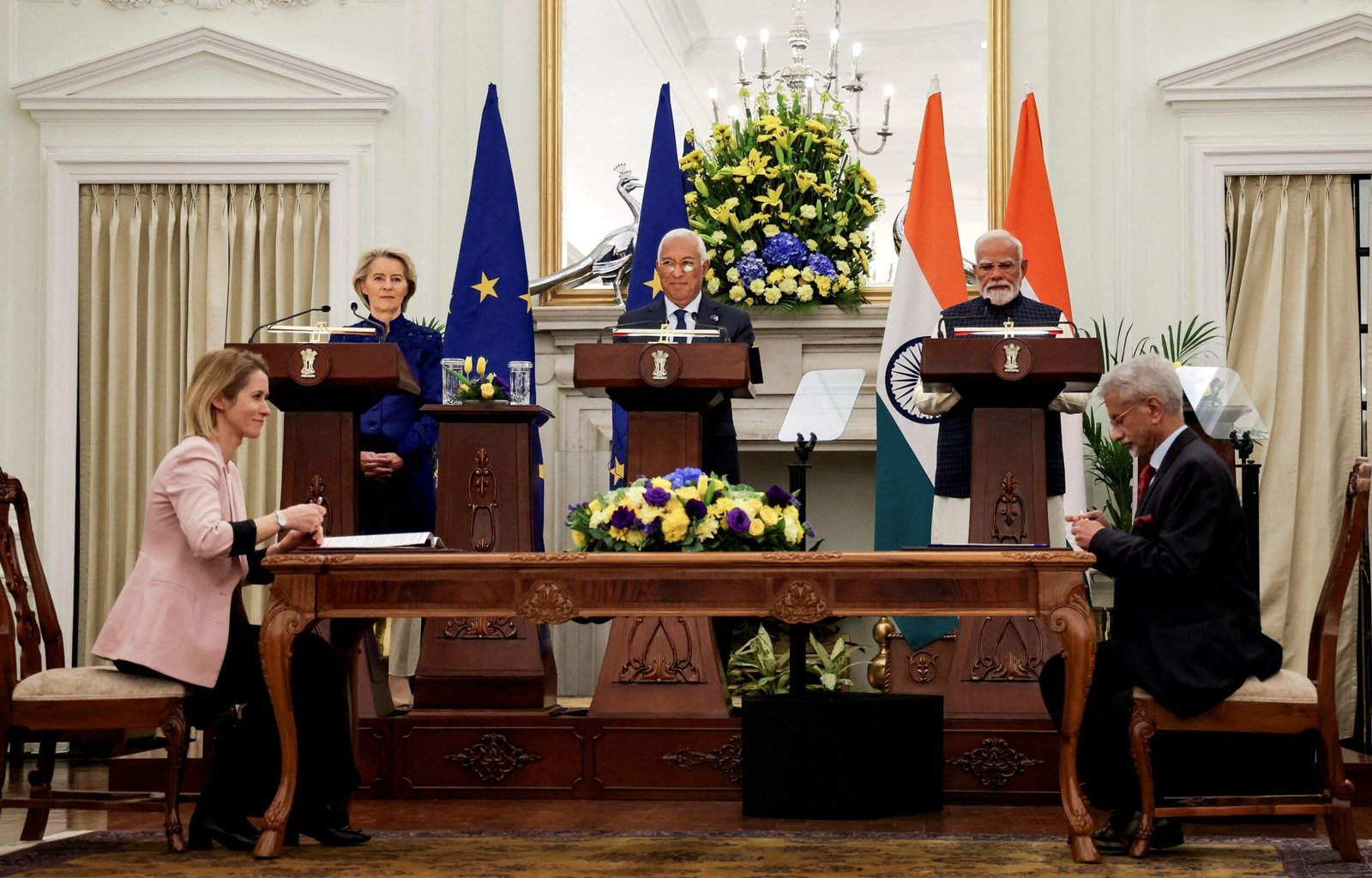
The winter sun lit up Hyderabad House in New Delhi painting the pillars with a soft golden glow. The setting felt almost staged, as though ready to host a significant moment in diplomacy. Inside the iconic building, staff bustled around. They adjusted flags, tested sound systems, and finalized plans for the diplomatic formalities that were about to capture focus across Europe and India.
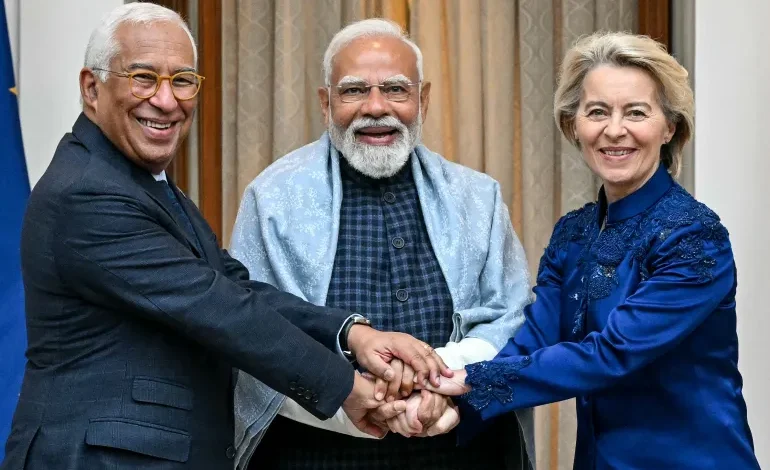
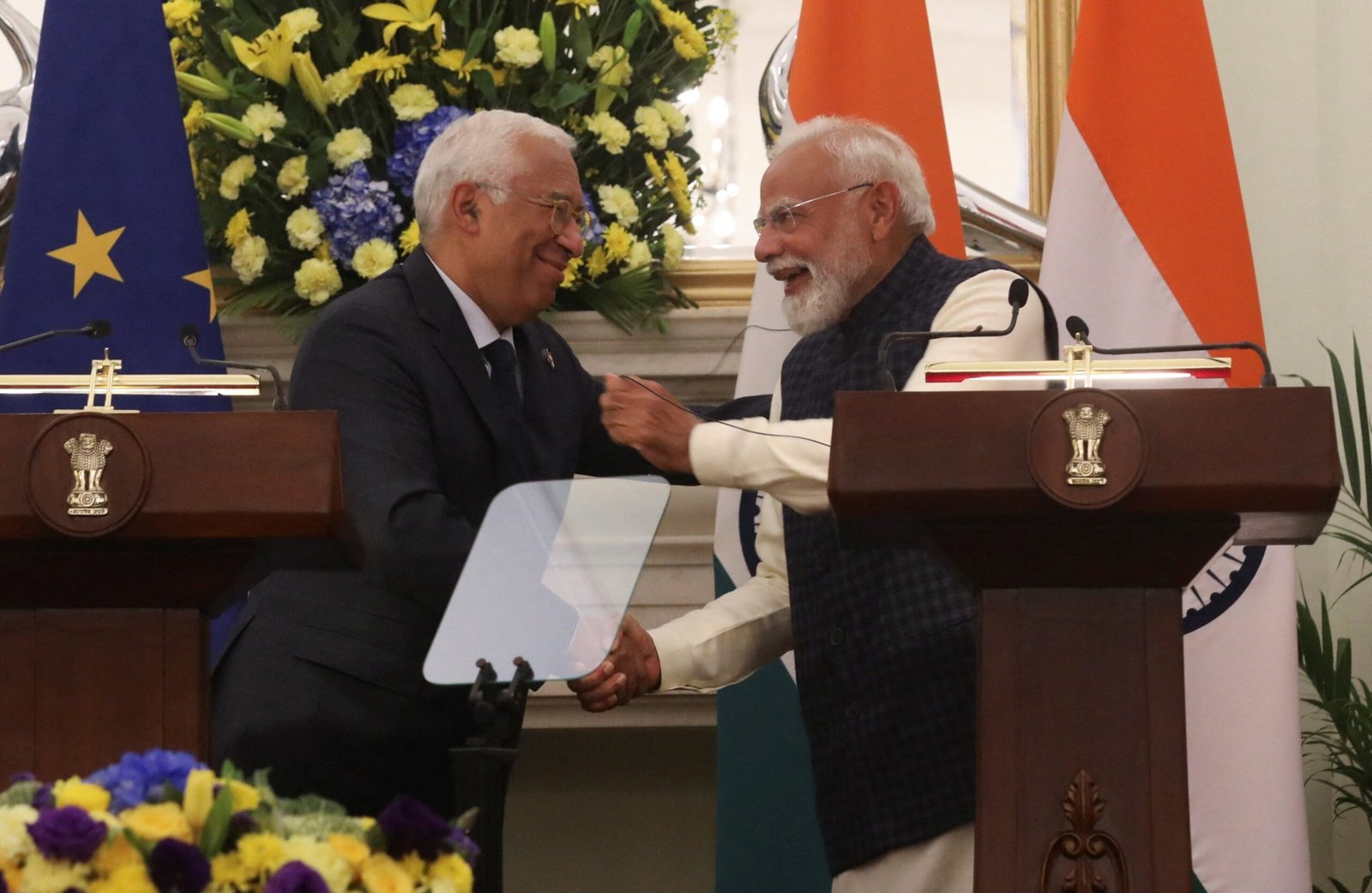
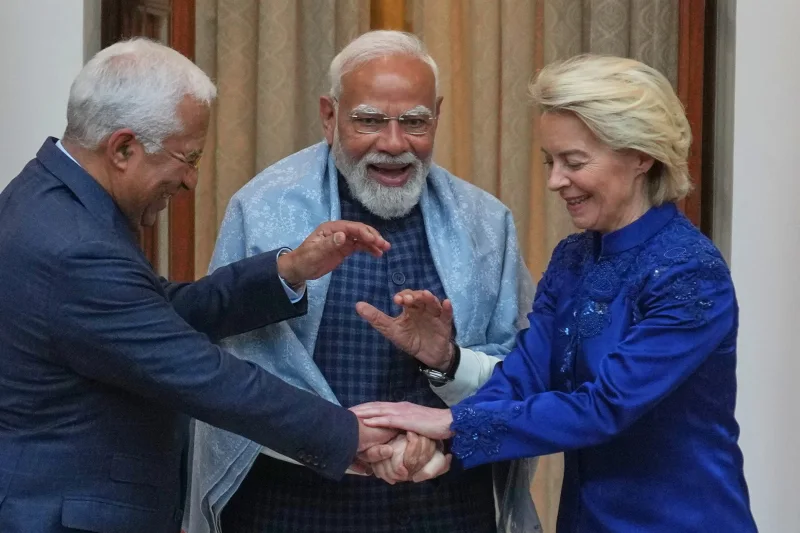
When the grand doors opened Indian Prime Minister Narendra Modi stepped forward joined by European Commission President Ursula von der Leyen and European Council President Antonio Costa. They paused, aware that this marked a pivotal moment. After two decades of failed efforts, they knew this day would leave a lasting mark in history.
Von der Leyen began the event speaking with a tone full of confidence and pride.
“We have concluded what can be described as the greatest trade deal of our era,” she announced. “This is a historic day for Europe and India.”
Modi, in his usual calm and composed manner, expressed clear satisfaction.
“This alliance will open unparalleled opportunities for 1.4 billion people in India and millions across Europe.”
Behind these polished diplomatic speeches was a complex story of changing global partnerships economic ambitions, and the hard work of negotiators who stayed determined through global turmoil to build a deal both sides now see as essential. This is the untold story of how India and the European Union pulled off their most detailed trade deal yet and why the toughest hurdles are still to come.
A Story of Stops and Starts
To understand how important this deal is, you need to look back at 2007. That year, India and the EU started talks on what was called the Broad‑based Trade and Investment Agreement, or BTIA. Back then, the excitement was clear. India’s economy was booming, Europe was on the rise, and globalization looked unstoppable. But it did not take long for major differences in expectations to surface during the talks.
Europe wanted to cut tariffs in a big way, strengthen how intellectual property is protected, and make regulations more aligned. India focused on getting more access to the services market making it simpler for skilled workers to move and ensuring its growth goals were recognized. By 2013, these talks broke down because of clashing goals. For a decade, the whole effort was put on pause. Then the world changed in major ways.
- Donald Trump’s trade moves made Europe rethink its trust in U.S. partnerships.
- China’s rise and its use of economic power pushed the world to rethink supply chains.
- The COVID-19 pandemic exposed weak links in global production.
- Russia invaded Ukraine forcing Europe to look for new economic and energy partners.
India, with its massive population democratic principles young workforce, and opportunities for investment, shifted from being a tough negotiator to becoming a crucial partner. Talks restarted in 2022. The situation had changed. The world had shifted too, both sides understood this shift.
What the Agreement Does
Behind all the diplomatic excitement, the deal serves as a detailed legal structure. It needs proper translation, approval, and being put into action. But its core message is simple and straightforward.
To Europe: A Long‑Awaited Chance
European companies have seen India’s market as both a huge opportunity and a significant challenge. The potential was massive, but it was tough to enter. This deal changes the game.
- 96.6% of EU exports to India will face fewer or no tariffs.
- European companies could save €4 billion in duties every year.
- The car industry stands to gain major benefits from reduced tariffs allowing for 250,000 vehicles .
- Big tariff cuts on wine and spirits are set to make European brands more competitive.
- Important industries like machinery, pharmaceuticals, chemicals, and aerospace will experience significant cost reductions.
- Sectors like financial services and maritime transport, which were limited, will now have better access.
This is one of the EU’s biggest wins in expanding its presence in India.
For India: Jobs, Exports, and Influence
India gains unique but equally important advantages.
- Sectors like textiles, leather, gems, jewelry, and IT services will see better access to European markets.
- Indian exporters will see easier rules and processes where European standards once caused difficulties.
- Investment is expected to grow in green tech, manufacturing, and advanced engineering industries.
- India strengthens its position as a manufacturing alternative to China supporting its industrial growth plans.
This deal holds significance beyond trade. It shows that New Delhi can shape global trade rules instead of just following them.
The Ghosts in the Room: Washington and Beijing
Modern trade agreements happen against a backdrop of tricky global politics.
The United States: Uneasy Observers
US Treasury Secretary Scott Bessent spoke out against India’s Russian oil trade before the announcement. This made it clear that Washington felt uneasy about India’s independent approach on global matters. The timing was not random. Europe looks at the agreement as a step to reduce its dependence on the US. India sees it as a way to show it can make its own diplomatic choices.
China: The Rival No One Named
China was notably missing from any formal comments. No one had to say its name. The agreement creates a large free-trade zone that leaves out Beijing but brings together two big democratic nations. It pushes for a shift in supply chains to add stability, without making it obvious. Brussels describes this shift as “strategic recalibration.” New Delhi calls it a “sovereign economic choice.” Beijing sees it in a different way.
Who Benefits, Who Doesn’t, and the Politics Around Openness
Trade agreements are judged not by polished diplomatic words but by how they change workplaces, farms, and parliaments.
In India
The worries are clear and pressing.
- Local producers worry about tough competition from goods arriving from Europe.
- Farming communities express unease about competing with European agricultural products.
- The local car industry is wary of vehicles being imported from Europe.
The government highlights how the deal is structured. It includes reducing tariffs, placing smart quotas, and offering protections tailored to specific industries. But the politics of it all gets tricky in a country where millions rely on small farms and informal factory jobs to make ends meet.
In Europe
The worries take on a different tone across the ocean.
- Labor unions fear that jobs might move over to Indian service industries.
- Environmental groups doubt India’s dedication to labor and climate goals.
- Some industries brace themselves for stronger competition from Indian imports.
Every part of the deal is picked apart in the European Parliament, and their final vote still hangs in the balance.
The Long Journey Towards Implementation
The deal has to go through many important steps before it becomes official. Here’s what’s needed:
- Thorough legal checks
- Translating it into every official EU language
- A formal signing event
- Approval from the European Parliament
- Possible parliamentary approvals in member countries
Experts estimate it could take around a year to complete all this. This stage is crucial. Different interest groups will start plans. The political scene might shift during this time. Elections are also scheduled in several EU countries. The road ahead for this major deal may bring hurdles, but it’s an important process.
Why This Agreement Matters More Than Just About Tariffs
This deal goes beyond trade rules and tariff cuts. Its true importance lies in what it means on a bigger scale. We live in a time that is defined by:
- Trends like decreasing globalization,
- increasing trade restrictions,
- deliberate control of supply chains,
- and issues within democratic systems,
India and the EU have opted for stronger economic ties instead of turning inward. This move but challenges the idea of global economic divisions. It shows their mutual dedication to each other and to the principles of fair and rules-driven global trade.
Looking Ahead: Factories, Ports, and Workers
Once the agreement is finalized, it will lead to many real-world decisions:
- European companies might pick Indian industrial hubs instead of Chinese ones.
- Indian clothing manufacturers could grow their businesses to meet European customers’ needs.
- Tech workers in India may take up roles in European shipping firms.
- Small European businesses might find new opportunities in Indian markets.
Although trade agreements might feel vague, their outcomes appear influenced by countless choices made by businesses. Sometimes though, they signify massive changes. This might just be one of those pivotal times in history.
When the dignitaries left Hyderabad House that evening, the sun, about to set, stretched long shadows across the old courtyard. It bathed the Mughal domes in a warm gold light. Journalists took down their gear, convoys drove away, and the busy streets of Delhi returned to life like they always do. Right away, no big changes could be seen. But there was an invisible shift. The economic futures of two billion people had but changed path toward something new.
The final result, whether it leads to shared economic growth or widespread setbacks, depends on what happens next beyond the formalities. The key lies in practical areas like ports, factories, farms, businesses, and government decisions. Right now, the world is watching. As always, history will judge the actions taken, not the ceremony itself.