
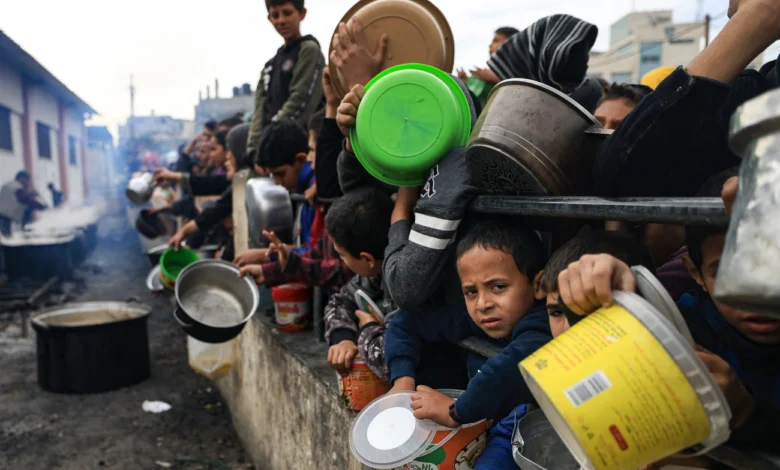
The Age of the Uprooted: How a Record-Breaking Displaced World Is Rewriting Diaspora Life

The Age of the Uprooted has begun with a record 123.2 million people worldwide forced from their homes due to persecution, conflict, violence, and human rights violations. This number represents the highest count of displaced individuals in recorded history. In fact, displacement has nearly doubled over the last decade. Experts now describe this as the most severe displacement crisis since 1945.
The global refugee crisis has grown to such an extent that one in every 67 people on Earth has been uprooted from their home. We have a long way to go, but we can build on this progress made by international efforts in the mid-20th century after the global conflicts of the 1930s and 1940s. Recent events have dramatically reversed these gains. So, regions like Sudan have become epicenters of humanitarian crises, where more than a quarter of its population has fled their homes. Syria continues to contribute substantially to these global trends, with about 6.6 million Syrian refugees living abroad as of 2023.
UN Reports Record-Breaking Global Displacement

Image Source: USA for UNHCR
The latest United Nations High Commissioner for Refugees (UNHCR) report reveals an alarming rise in global displacement. The numbers paint a stark picture of this humanitarian emergency.
123 million people displaced by end of 2024
UNHCR’s Global Trends report shows that 123.2 million people were forced to leave their homes due to persecution, conflict, violence, human rights violations and events that disrupted public order by the end of 2024. The numbers grew by 7 million people – a 6 percent rise from 2023. The displaced population breaks down into:
- 73.5 million internally displaced persons (IDPs) within their countries’ borders
- 42.7 million refugees under UNHCR mandate
- 8.4 million asylum seekers waiting for decisions
IDPs make up 60 percent of all forcibly displaced people worldwide. While numbers kept rising through most of 2024, UNHCR data shows a slight drop to 122.1 million by April 2025.
Displacement nearly doubles in a decade
A troubling pattern emerges from displacement history. “The number of forcibly displaced people has almost doubled in the last decade,” states the UNHCR. This marks a big shift from the 1990s when displacement had stabilized. The rise continued even with more people returning home in 2024.
Major conflicts drove this crisis:
- Sudan tops the list with 14.3 million refugees and internally displaced persons
- Syria follows with 13.5 million displaced people
- Afghanistan counts 10.3 million
- Ukraine reports 8.8 million
Sudan faces the worst situation. The conflict between its army and Rapid Support Forces has created what experts call the world’s biggest displacement crisis. The number of internally displaced people rose by 51% in the last five years.
One in every 67 people globally is uprooted
The scale becomes clear when you realize that 1 in every 67 people on Earth has been forced from their home. This ratio shows how widespread displacement has become.
Internal displacement raises special concerns. The number of IDPs has doubled in the last decade. A sharp rise started in 2020. What used to be rare has become common.
Most people running from conflict stay close to home, unlike what many believe. By late 2024, neighboring countries hosted 67 percent of refugees. Low and middle-income nations took in 73 percent of the world’s refugees. This shows how some countries carry more of the burden than others.
Solutions seem harder to find. In the 1990s, about 1.5 million refugees could return home each year. Now that number has dropped to 385,000 per year over the last decade. This is a big deal as it means that displacement grows faster than we can find solutions.
What Drives the Surge in Forced Displacement?

Image Source: Othering & Belonging Institute
People are leaving their homes in record numbers due to a complex mix of factors. We need to understand why this happens to help address this growing humanitarian crisis.
Conflict and persecution remain primary causes
Armed conflict remains the biggest reason people flee their homes worldwide. The number of people forced to leave due to conflict and violence reached 68.3 million by late 2023. This shows a 9% rise from 2022 and a troubling 49% increase in just five years. Conflict and violence caused 20.5 million new internal displacements globally in 2023.
Conflict affects different regions in various ways. Sudan and the Democratic Republic of the Congo saw about half of all internal conflict displacements in 2023, with 6 million and 3.7 million people displaced. The Occupied Palestinian Territory (3.4 million), Ethiopia (794,000), Ukraine (714,000), and Burkina Faso (707,000) also faced severe displacement crises.
Climate change displaces millions annually
Environmental factors now force more people from their homes each year. Disasters caused 26.4 million new internal displacements across 151 countries in 2023. This represents 56% of all new displacement movements that year. The number stands as the third-highest yearly total in the past decade.
Weather-related hazards caused 77% of all disaster displacements in 2023, including:
- Floods and storms that destroyed communities across continents
- Droughts that made farmland useless
- Wildfires that destroyed homes and livelihoods
UNHCR sees climate change as a “threat multiplier” that makes existing problems worse. To cite an instance, Burkina Faso saw its worst violence and displacement in areas hit by drought. Armed groups took advantage of fights over scarce water and farmland. Climate-related effects could internally displace over 216 million people by 2050.
Economic collapse and state failure fuel migration
Economic instability and failed states have become major reasons why people leave their homes. Failed states show clear signs that push citizens to flee: broken institutions, poor basic services, lawlessness, and loss of authority.
Cuba’s recent experience shows how economic failure leads to displacement. The country faces what researchers call a “polycrisis” – a mix of economic problems and political control. This has caused such a large exodus that Cuba’s population is dropping faster than anywhere else – about 25% in just four years.
Economic problems often mix with other reasons for displacement. Niger’s growing population has left many without jobs, forcing them to move elsewhere for work. Workers from Niger and Mali often move to Ghana and Côte d’Ivoire to support their families.
These combined forces – conflict, climate change, and economic collapse – create conditions that uproot more people than ever before. The global displacement crisis will likely continue or get worse unless we address these basic problems.
How Are Refugees, IDPs, and Asylum Seekers Affected Differently?
The global displacement crisis affects uprooted people differently based on their classification as refugees, internally displaced persons (IDPs), or asylum seekers. Each group faces unique challenges with varying legal protections and vulnerabilities.
Refugees: 42.7 million under UNHCR mandate
Refugees are people who cross international borders to find safety from persecution, conflict, or violence. The global refugee population reached 42.7 million by late 2024, showing a slight 1% drop from the year before. This number consists of 36.8 million refugees under UNHCR’s mandate (4 million in refugee-like situations), 5.9 million Palestine refugees under UNRWA’s mandate, and 5.9 million others who need international protection.
Most refugees stay close to their home countries, with 67% living in neighboring nations. Low and middle-income countries bear most of the responsibility by hosting 73% of the world’s refugees. The refugee population doubled in the last decade, which shows this humanitarian challenge keeps growing.
IDPs: 73.5 million displaced within borders
IDPs make up the biggest group of forcibly displaced people worldwide. By late 2024, about 73.5 million people had to leave their homes but stayed within their countries due to conflict and violence. These people haven’t crossed international borders but fled their homes because of conflict, violence, persecution or disasters.
IDPs represent 60% of all forcibly displaced people globally, yet they get less international attention than refugees. The year 2024 saw 20.1 million new internal displacements from conflict or violence. Five countries accounted for more than 60% of these cases: Democratic Republic of the Congo, Haiti, Myanmar, Sudan, and Ukraine.
Sudan faces its largest displacement crisis ever recorded with 11.6 million people displaced inside the country. IDPs struggle with dangerous conditions and lack basic necessities like shelter, food, clean water, healthcare, and ways to earn money. Their protection falls to national governments, though many can’t or won’t meet this duty.
Asylum seekers: 8.4 million pending decisions
Asylum seekers are people who left their countries to seek international protection but haven’t received formal refugee status yet. A record 8.4 million asylum seekers waited for decisions on their applications worldwide by the end of 2024. This number jumped 22% from 6.9 million the previous year.
The backlog grew steadily for eight years since 2016 as new applications outpaced decisions. During 2024, about 4.8 million people asked for international protection. Two countries produced more than one-third of these cases: Ukraine (879,100) and Sudan (872,400).
People must reach or cross a border before they can apply for asylum in their destination country. Seeking asylum remains a human right, but the process often leaves people vulnerable and uncertain about their future.
Which Regions Are Facing the Worst Displacement Crises?
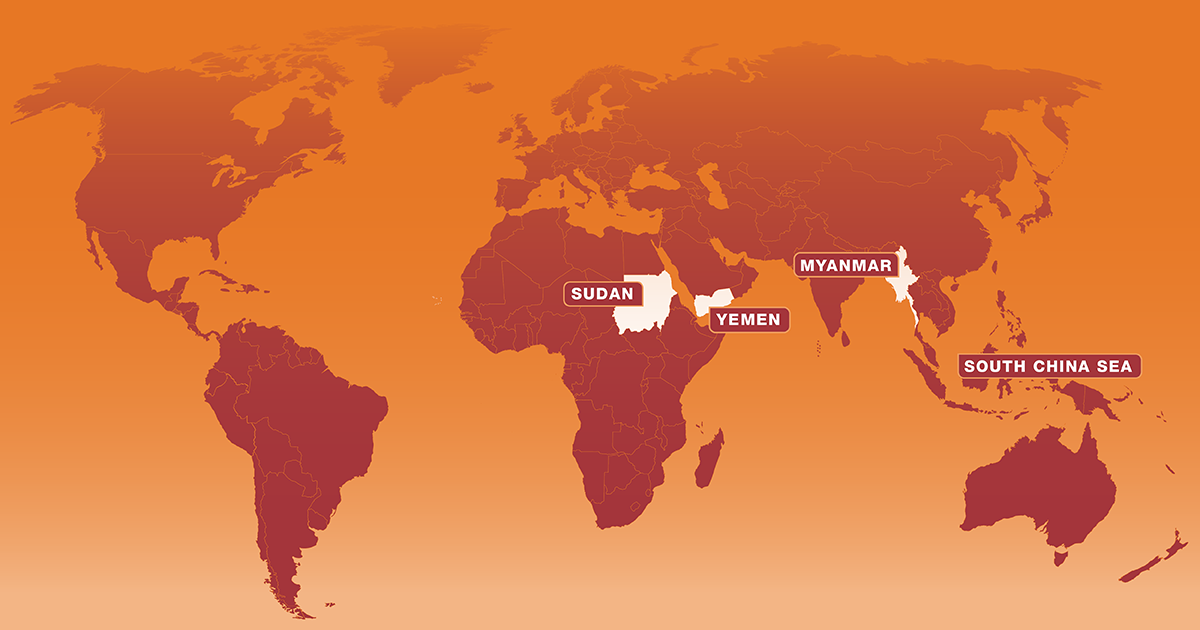
Image Source: International Crisis Group
The world’s most severe displacement emergencies are concentrated in five regions. Each region faces unique challenges that show how forced migration has evolved in modern times.
Sudan: Largest internal displacement crisis
Sudan has become the world’s largest internal displacement emergency. The crisis has uprooted about 9.5 million people within the country’s borders. Another 3 million have fled to neighboring countries, bringing Sudan’s total displacement to over 12 million people. The crisis started when violent clashes broke out between the Sudanese Armed Forces and the Rapid Support Forces in April 2023. The situation has grown so severe that one-third of Sudan’s population has left their homes. UNICEF reports this as the world’s largest child displacement crisis, with 5 million children forced from their homes.
Syria: Fragile returns amid instability
Syria shows the first signs of people returning home after the Assad regime’s fall. The numbers are encouraging – 3 million people have returned in the last year. This includes 1.2 million from neighboring countries and 1.9 million who were internally displaced. Life remains dangerous for those who return. They face destroyed infrastructure, contaminated areas, and economic collapse. The threat of unexploded weapons makes daily life risky. Experts estimate between 100,000 and 300,000 explosive items still scatter across the country.
Myanmar: Earthquake and conflict compound crisis
Myanmar battles a complex emergency where natural disaster worsens conflict-driven displacement. The country experienced its strongest earthquake in a century this March, measuring 7.7 on the Richter scale. Six million people now need urgent help. This natural disaster adds to an existing crisis where 3.2 million people fled their homes since the 2021 military coup. Displaced families say their “troubles are doubled” because they “have nowhere to live and nothing to live on”.
Sahel: Climate and conflict intersect
The semi-arid Sahel region of Africa has seen nearly four million people forced from their homes. This displacement stems from a deadly mix of conflict, hunger, and climate change. The number of displaced people has grown by two-thirds in just five years. Burkina Faso, Mali, and Niger sit at the crisis’s center, where women and children make up 80% of those displaced. The region’s temperatures rise 1.5 times faster than the global average, making survival even harder.
Gaza: Blockade and famine threaten survival
Gaza faces confirmed famine conditions affecting 640,000 people. The situation looks grimmer as 1.14 million more people will face emergency food shortages by September. One in three people reports going days without food. Children’s malnutrition rates have skyrocketed – doctors identified over 12,000 acutely malnourished children in July alone. Almost everyone in Gaza – 1.9 million people – has had to flee their homes at least once.
Why Is the Humanitarian System Struggling to Respond?
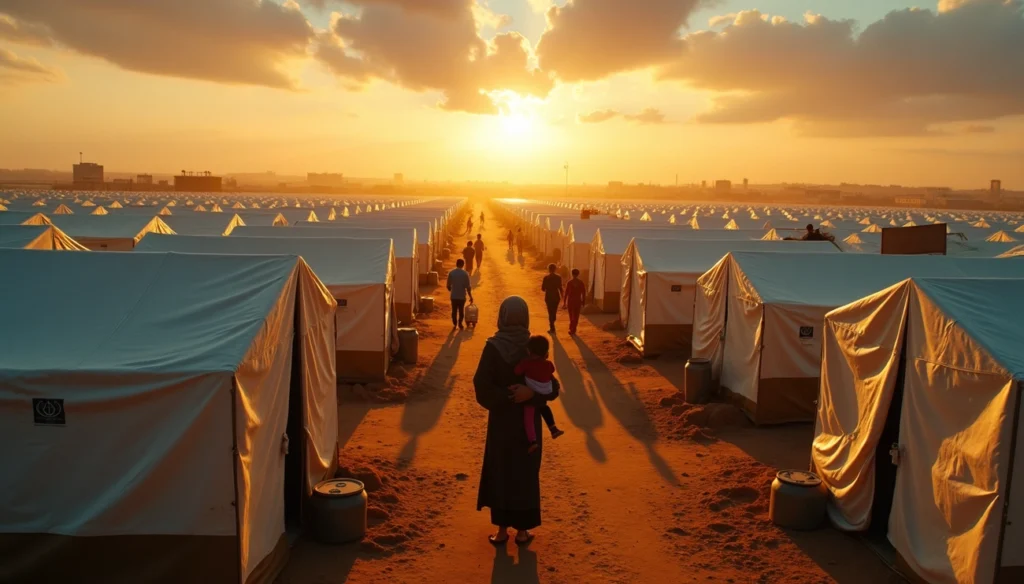
Humanitarian organizations face growing challenges as they try to help displaced people worldwide. Money is running short, and aid groups can’t meet the rising needs of people in crisis.
Funding cuts from major donors like the US
The humanitarian system needs AED 174.05 billion to run its operations. Aid groups received only AED 77.85 billion against an appeal of AED 182.13 billion in 2024—just 43% of what they needed. The United States, once the biggest donor of humanitarian aid, has cut its support dramatically. US funding dropped from AED 62.42 billion to just AED 7.34 billion. The commitment fell from AED 51.77 billion in 2024 to AED 23.50 billion. These cuts have left huge funding gaps in many crisis areas.
Aid programs suspended or scaled back
Many aid organizations have stopped their vital services. The Norwegian Refugee Council had to stop emergency support for 57,000 people near Ukraine’s frontlines due to sudden funding cuts. Water supply to 300,000 people in Djibo, Burkina Faso, might stop soon. The same goes for bread subsidies that help thousands in Darfur. The Jesuit Refugee Service stopped working in nine countries after US funding dried up. These cuts forced mother and baby clinics in Afghanistan to close and reduced food for displaced people in Sudan.
Host countries under immense pressure
Low and middle-income countries shelter 73% of refugees worldwide, which strains their limited resources. The problem gets worse as major donors pull back their support. Lebanon shows this pressure clearly – it has more refugees per person than any other country. They might have to stop providing shelter and protection services for women and girls without more funding. This unfair burden threatens to destabilize countries that already struggle with limited resources.
Today’s global displacement crisis ranks among our era’s biggest challenges. The world faces a profound human tragedy, with 123.2 million people forced from their homes across continents. This number has almost doubled in just ten years, reversing decades of progress since the mid-20th century.
People continue to flee from conflict zones in Sudan, Syria, Myanmar, the Sahel region, and Gaza. Climate change forces millions more to abandon their homes each year. State failures and economic collapse add to this humanitarian emergency. These combined pressures have created a perfect storm that existing systems can’t handle.
The world’s response to this crisis remains unbalanced. Countries with lower and middle incomes host 73% of refugees despite having limited resources. Major donors have cut funding, which forces humanitarian organizations to stop vital operations. Millions now lack basic services when they need them most.
Most displaced people never cross international borders. Internal displacement accounts for 60% of all forced movement globally. These internally displaced people often receive less attention than refugees who cross borders. Asylum seekers wait longer for decisions as backlogs grow each year.
One in every 67 people worldwide has lost their home. This reality calls for a fresh look at how we handle global displacement. Return rates have dropped compared to past decades. We need solutions that tackle why it happens instead of just dealing with the aftermath. Conflict, climate change, and economic instability intersect to create this crisis, so we need flexible approaches beyond traditional aid methods.
Millions now live in what we might call the Age of the Uprooted. Their struggles remind us that real people seek safety, dignity, and hope behind every number. Our response must recognize both the massive scale of displacement and each person’s unique experience in this worldwide crisis.