
U.S. Moves Toward Massive Visa Suspension Covering 75 Countries

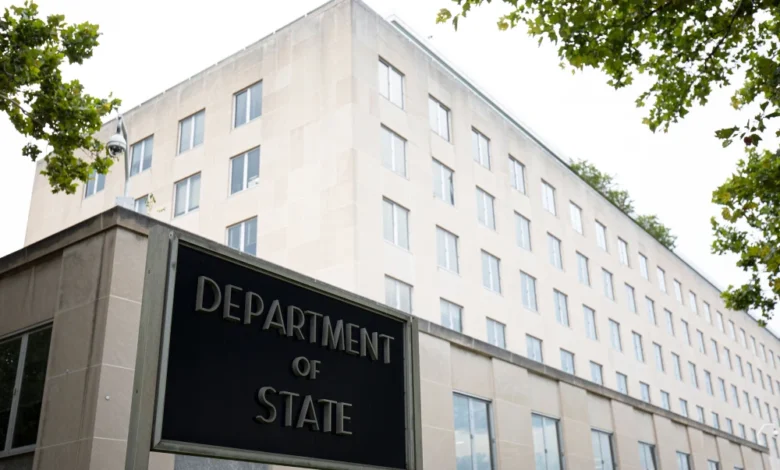
The US plans to stop processing visas for 75 countries, according to a Fox News report that reveals a radical alteration in immigration policy. Starting January 21, 2026, the State Department will put an indefinite hold on immigrant visa processing for people from dozens of countries. This widespread pause is nowhere near any previous changes to visa operations we’ve seen lately.
The latest updates show the freeze will affect people from many regions. Afghanistan, Russia, Iran, Somalia, Brazil, Iraq, Egypt, Nigeria, Thailand, and Yemen are among the affected countries. On top of that, Armenia, Azerbaijan, Bosnia, Haiti, Sudan, and Syria will face suspended visa operations. The department made their announcement on X, making it clear that only immigrant visa applications would stop while tourist and business visas would continue as usual.
The State Department wants to stop people who might need public assistance from entering the United States. They’ll keep this suspension going while they take a fresh look at their visa processing methods. This choice fits with broader immigration policy changes that officials say will tackle “abuse of America’s immigration system”.
State Department halts visa services for 75 nations
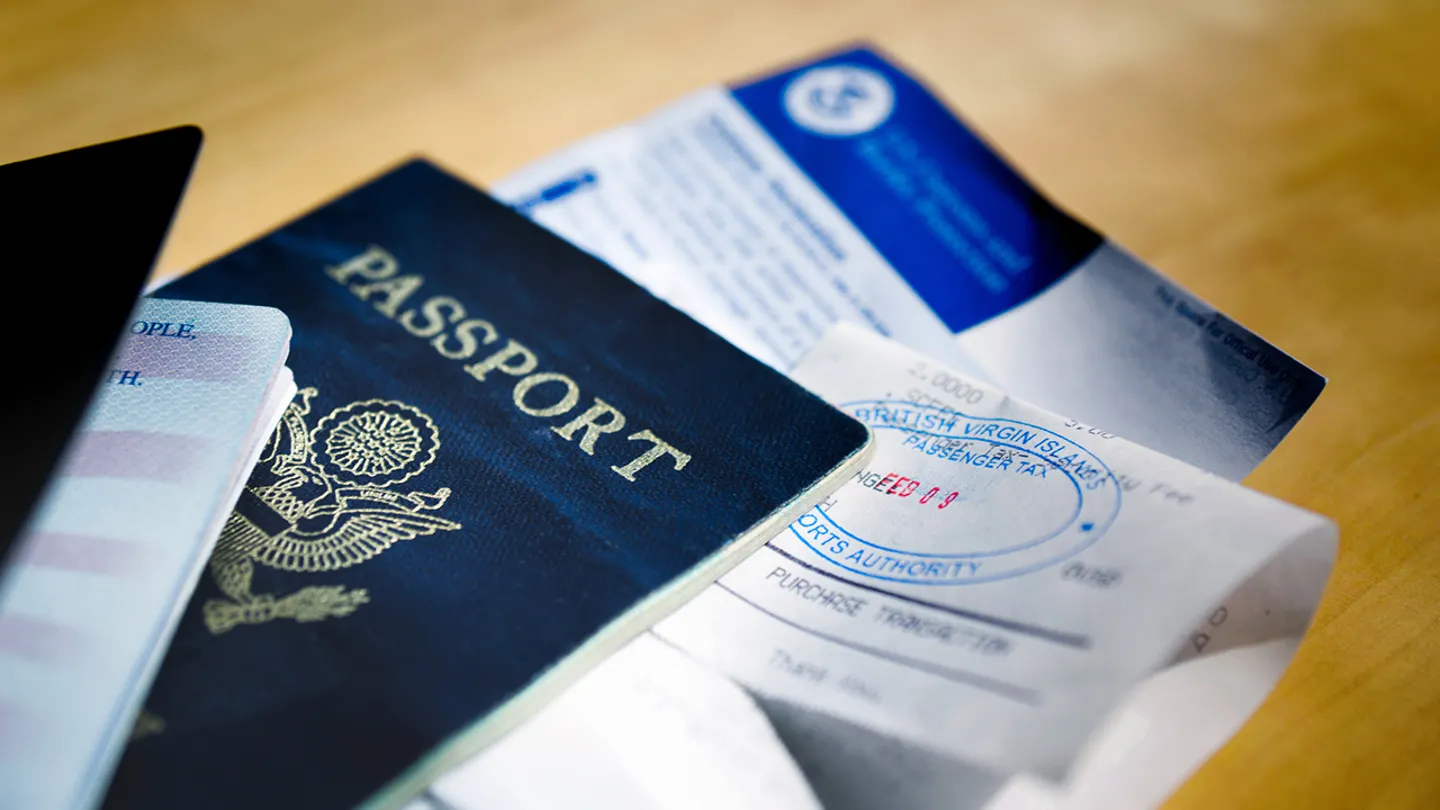
The State Department announced a broad suspension of immigrant visa processing that affects nationals from 75 countries on Wednesday. This indefinite suspension starts January 21 and targets applicants who might need public assistance during their stay in the United States.
The new restrictions only affect immigrant visas, leaving temporary tourist and business visas unchanged. These temporary visas make up most visa applications. Officials at the State Department confirmed they will maintain this pause while they review immigration procedures. Their goal is to prevent entry of foreign nationals who might need welfare or public benefits.
Major countries affected by this suspension include Afghanistan, Iran, Russia, Somalia, Brazil, Egypt, Nigeria, and Thailand. Additional nations facing these restrictions are Albania, Algeria, Armenia, Azerbaijan, Belarus, Cambodia, Colombia, Cuba, Georgia, Haiti, Iraq, Jamaica, Jordan, Kazakhstan, Kyrgyzstan, Lebanon, Libya, Montenegro, Nepal, Pakistan, Rwanda, Syria, Tanzania, Tunisia, Uganda, Uruguay, Uzbekistan, and Yemen.
This policy stands as one of the Trump administration’s most sweeping attempts to limit legal immigration to the United States. The State Department described the affected nations as those “whose migrants take welfare from the American people at unacceptable rates.” Visa processing continues as usual for countries not on the suspension list, though consular officers must stop processing applications from the designated nations.
Trump-era public charge rule returns with stricter enforcement
The State Department has brought back the Trump-era “public charge” rule with stricter requirements for visa applicants. A cable sent in November 2025 tells consular officers worldwide to enforce this provision more strictly. Officers can now deny visas to people they believe might need government benefits.
The new rules make visa decisions tougher. Officers must review health conditions more carefully, especially chronic illnesses like diabetes, obesity, cardiovascular disease, and mental health disorders. Simple health issues such as high blood pressure, sleep apnea, or metabolic diseases could lead to visa rejections.
“The State Department will use its long-standing authority to deem ineligible potential immigrants who would become a public charge on the United States and exploit the generosity of the American people,” stated Tommy Pigott, State Department spokesman.
Officers must also look at age, money, English skills, and education level to make their decisions. People who are older, have limited funds, or have used government help before face extra checks.
These changes bring back and expand the 2019 Trump administration’s policy that included more benefit programs as reasons to reject applicants. The latest rules go even further. Officers must now check if people received housing assistance, food support, or medical aid—benefits that weren’t part of earlier public charge reviews.
Fraud scandals and security incidents prompt policy shift
The sweeping visa changes started after a deadly shooting near the White House in November 2025. An Afghan national shot two National Guard members – killing one and leaving another with severe wounds. President Trump called it “an act of terror” and demanded a review of all Afghan nationals who entered during Biden’s presidency.
The shooter, Rahmanullah Lakanwal, came to the US under Operation Allies Welcome after the Afghanistan withdrawal. He received asylum earlier in 2025. The administration quickly stopped all asylum decisions and put Afghan visa processing on hold.
The situation got worse when investigators exposed massive fraud schemes in Minnesota that drained AED 3.67 billion from taxpayer-funded programs. The biggest scam targeted COVID-19 food aid for children, stealing AED 1.1 billion.
U.S. Citizenship and Immigration Services responded by launching Operation Twin Shield – their biggest enforcement effort yet. The operation revealed hundreds of cases with potential fraud or security risks.
USCIS has made over 29,000 fraud referrals since January 20, with fraud showing up in 65% of completed cases. They sent more than 14,400 cases to Immigration and Customs Enforcement because of various concerns.
The latest visa suspension marks one of the biggest changes to U.S. immigration policy over the last several years. The State Department’s decision targets immigrant visas but leaves tourist and business visas unchanged. This affects nationals from 75 countries who might need public assistance. Starting January 21, 2026, applicants from Afghanistan, Russia, Iran, and Nigeria will face delays with no end date in sight.
The stricter “public charge” rule shows a clear return to Trump-era policies with tougher enforcement. Consular officers must now assess applicants on broader criteria. These include their health, money situation, age, education, and how well they speak English. Past use of government benefits like housing help or food support could lead to visa denials.
Security issues drove this transformation in policy. An Afghan national’s shooting near the White House in November 2025, along with major fraud cases that uncovered billions in stolen taxpayer money, led to quick action. The administration launched detailed enforcement operations that resulted in thousands of fraud cases being sent to Immigration and Customs Enforcement.
Supporters see these rules as vital to protect American resources and security. Critics will ask questions about how these changes affect international relationships and families trying to immigrate legally. Nobody knows how long these suspensions will last, which raises concerns about future immigration policies. As the State Department reviews everything, these changes will reshape how America handles legal immigration going forward.