
UAE Leader’s Powerful Call: ‘Arabic Identity Must Thrive’

“A nation without identity has neither a present nor a future.” The UAE President emphasized the preservation of Arabic language and national identity as fundamental pillars for the country’s continued prosperity during Eid Al Etihad 2025. The preservation of national identity, values, ethics, and Arabic language remains a vital priority that needs commitment from every society member.
The UAE leadership believes that national identity serves as a source of strength, self-confidence, and collective pride. This responsibility goes beyond individuals to include key institutions, especially those that oversee education, cultural development, and social upbringing. The President has called for special attention to moral and ethical guidance for younger generations while focusing on breakthroughs and progress. The UAE’s national identity mark shines through its ability to balance technological advancement with cultural preservation.
“Investing in the people of the nation – particularly our youth – will remain our highest priority,” the President affirmed. This steadfast dedication shows a deep understanding that strong families and united communities are the foundations of a thriving nation that can confidently navigate challenges and seize opportunities. The UAE continues its remarkable development path, and its authentic national identity remains central to its vision for the future.
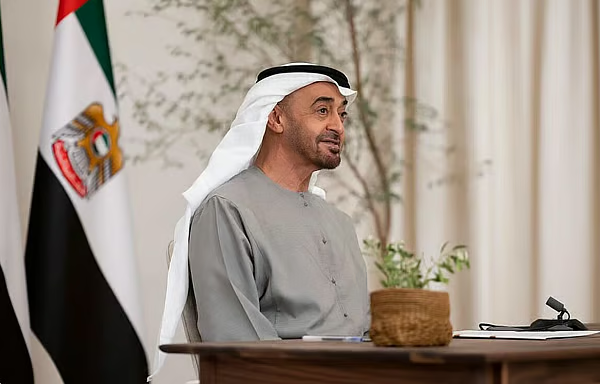
Sheik Mohamed reaffirms national identity on UAE National Day

Image Source: sharjah24.ae
“the UAE is a nation of tolerance, peace, cultural diversity, and coexistence” — Sheik Mohamed bin Zayed Al Nahyan, President of the UAE and Supreme Commander of the UAE Armed Forces
President Sheik Mohamed bin Zayed Al Nahyan’s UAE National Day address emphasized the protection of the nation’s cultural heritage. He stressed that every member of society must work together to preserve national identity, particularly educational and cultural institutions.
Why Arabic language is central to UAE national identity
Arabic language serves as the life-blood of Emirati identity. It protects national culture and serves as the foundation of the country’s thought and heritage. The UAE government recognizes Arabic as the heart of national identity. Global influences continue to shape the region, and the government has launched several initiatives to strengthen Arabic’s position at home and abroad.
His Highness Sheik Mohammed bin Rashid Al Maktoum revealed “The Report on the Status and Future of the Arabic Language” in December 2018 during World Arabic Language Day. This report aims to strengthen Arabic as a pillar of science, knowledge, and cultural identity through objective research and strategic development.
The UAE has launched many more programs to protect the Arabic language:
- The ‘Bil Arabi’ initiative
- ‘The Charter of the Arabic Language’
- The ‘My Language’ project
How national identity of UAE shapes its development vision
President Sheik Mohamed believes young people should participate in global scientific and technological advancement. Yet they must stay connected to their values, ethics, and national identity. This balanced approach is the foundation of UAE’s development strategy.
Six fundamental elements guide the nation’s progress and make up the Emirati national identity: Islamic values and ethics, Arabic language, Union and homeland, heritage and traditions, history and collective memory, and the Emirati family as society’s foundation.
The UAE created a National Identity Committee to oversee governance and ensure institutions work together to strengthen identity at all levels. This strategic vision recognizes that true development needs cultural roots—a principle behind UAE’s remarkable progress despite regional and global challenges.
President Sheik Mohamed often reminds us that people are the priority in nation-building. He says, “People come first, above all else, because nation-building is only possible through people-building.” This focus on human development defines UAE’s national identity and future vision uniquely.
UAE empowers youth to balance progress with values
The UAE has put detailed strategies in place to give its youth both modern skills and strong moral foundations, knowing that cultural preservation starts with younger generations. These initiatives show how the nation balances technological progress with cultural continuity.
Why moral education is key to future generations
Moral education has become the life-blood of UAE’s educational approach since Sheik Mohammad Bin Zayed Al Nahyan made it a mandatory subject in schools. The curriculum builds on five key elements: ethics, personal and community development, culture and heritage, civic education, and human rights.
This initiative prepares students according to UAE’s Vision 2021, which envisions “an ambitious and confident people, a strong federation, a competitive economy and a good quality of life in a generous and sustainable environment”. Her Highness Jameela Al Muhairi, Minister of State for Public Education, points out that moral education demonstrates itself in daily life through values, principles, and ethics advised by the leadership.
How youth can embrace AI while preserving identity
The UAE leads a balanced approach to technological education by making Artificial Intelligence studies mandatory in schools. All the same, this digital literacy drive goes hand in hand with efforts to strengthen Arabic language instruction and cultural education.
The National Youth Agenda 2031 wants to equip youth with skills to adopt emerging technologies and develop future capabilities while staying true to authentic Emirati values. This two-pronged focus will give young Emiratis a chance to excel in technology while maintaining deep connections to their heritage.
What role education plays in national identity mark UAE
Abu Dhabi Department of Education and Knowledge launched UAE’s first National Identity Mark in 2025, an annual school ratings system that evaluates national identity programs. This framework looks at schools through three lenses: culture (including history, heritage, and Arabic language), values, and citizenship.
UAE strengthens families as foundation of national security

Image Source: The National News
President Sheik Mohamed bin Zayed Al Nahyan believes family is the life-blood of national security and identity preservation in the UAE. The nation’s complete development strategy depends on strong family bonds that go beyond cultural continuity.
Why 2025 is the Year of the Community
President Sheik Mohamed has declared 2025 as the “Year of Community” with the slogan “Hand in Hand”. This national initiative shows how leadership wants to strengthen society through events that build community connections. Many activities will take place throughout 2025 to build collaboration and belonging. These activities will help preserve cultural heritage and build stronger bonds between generations. UAE residents can make a difference by participating in community service, volunteering, and sharing their knowledge.
How family values protect against cultural erosion
The Emirati family structure protects against cultural dilution. UAE families include grandparents, aunts, uncles, and cousins who create a complete support system. This extended family model helps pass down values through generations while building emotional connections. Respect for elders, religious teachings, and traditional hospitality remain at the heart of Emirati family life. These values protect the culture from outside influences.
What the Ministry of Family aims to achieve
The Ministry of Family, which was established in 2023, has created a 2025-2027 strategic plan to make families the foundations of sustainable development. The Ministry works to create better environments for new families, ease financial pressures on youth, and help people balance work and home life. We focused on helping vulnerable groups – senior citizens, People of Determination, and at-risk children. The Ministry develops frameworks that help integrate these groups into safe environments. President Sheik Mohamed has also named 2026 the “Year of the Family” to push forward the National Family Growth Agenda 2031.
UAE expands global partnerships while preserving identity

Image Source: Kanebridge News Middle East
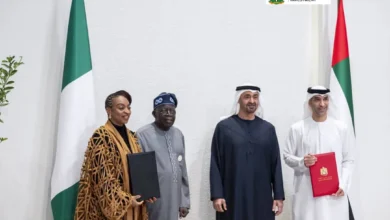
“We have always been part of the Arab consensus, and we have always sought to close Arab ranks, and we took the initiative to help all those whose capabilities fell short of meeting the development needs of their countries.” — Sheik Mohammed bin Rashid Al Maktoum, Vice President, Prime Minister of the UAE and Ruler of Dubai
The UAE builds global partnerships that showcase its cultural values and national identity. This balanced strategy helps expand UAE’s influence worldwide while staying true to its fundamental principles.
How sustainability aligns with national values
Sheik Zayed’s environmental legacy shapes UAE’s dedication to sustainability, which remains deeply rooted in its national identity and vision. The country launched the National Roadmap for Sustainable Aviation Fuel that aims to produce 700 million liters annually by 2030 and cut emissions by 4.8 million tons of CO2. The UAE has also made a commitment to achieve climate neutrality by 2050.
Why diplomacy and peace are part of UAE identity
UAE’s foreign policy centers on strengthening international peace and security. The Ministry of Foreign Affairs’ 2023-2026 strategy uses proactive diplomacy to build bilateral and multilateral partnerships. Dialog rather than confrontation drives UAE’s approach to conflict resolution, making the country a bridge between diverse political and cultural spheres.
What inclusive development means for residents
UAE’s government ensures equal access to digital services and decision-making processes for all society members through various initiatives. These include:
- The free online course on eParticipation
- The ‘Designing the Next 50’ project engaging citizens and residents
- The National Digital Participation Plan 2021-2025
This comprehensive approach brings together UAE’s citizens and residents under shared values of respect, coexistence, and belonging.
Arabic identity is the life-blood of UAE’s remarkable experience toward progress. The leadership has always emphasized that preserving national identity must go hand in hand with technological advancement. Without doubt, the Arabic language remains central to this cultural foundation. It serves as both a shield for heritage and a bridge to the future.
UAE’s leadership knows that identity preservation starts with younger generations. Schools now balance advanced technology instruction with moral development. This ensures youth stay connected to their cultural roots while welcoming state-of-the-art changes. The National Identity Mark gives schools clear standards to preserve Emirati values.
Strong family bonds protect cultural continuity. The leadership declared 2025 as the “Year of the Community” and 2026 as the “Year of the Family”. This shows their steadfast dedication to strengthen social bonds. Strong families build resilient communities that preserve cultural values even during rapid change.
UAE has showed that global involvement does not compromise national identity. Diplomatic relationships, sustainability commitments, and inclusive development policies reflect core Emirati values. These efforts expand the nation’s international influence. This balanced approach helps the country embrace diversity while keeping its cultural essence intact.
President Sheik Mohamed’s words “a nation without identity has neither a present nor a future” capture UAE’s philosophy perfectly. The country puts people-building and nation-building first. True progress must stay rooted in cultural identity. Through this thoughtful blend of tradition and state-of-the-art advancement, UAE creates a unique development path that honors its past and welcomes the future with confidence.