

UAE Passport Jumps 57 Spots to World’s Top 5

The UAE passport ranks as the world’s fifth strongest in 2026, based on the latest Henley Passport Index. This achievement stands out as remarkable. The passport has climbed 57 places in the last two decades, making it one of the most impressive mobility changes in passport history.
The UAE passport now outranks several major Western nations. The United States, United Kingdom, Canada, and Australia all rank below it. UAE citizens can now access 184 destinations without visas or get visas on arrival. The number of visa-free destinations has grown by 149 since 2006[-5]. No other country has achieved such a significant increase in the index’s history, which shows the UAE passport’s growing strength globally.
Afghanistan’s passport tells a different story. Its citizens can only travel to 24 destinations without getting visas first. This difference shows how the UAE’s diplomatic efforts and strategic collaborations have successfully improved its citizens’ ability to travel worldwide.
UAE climbs 57 spots to rank 5th globally
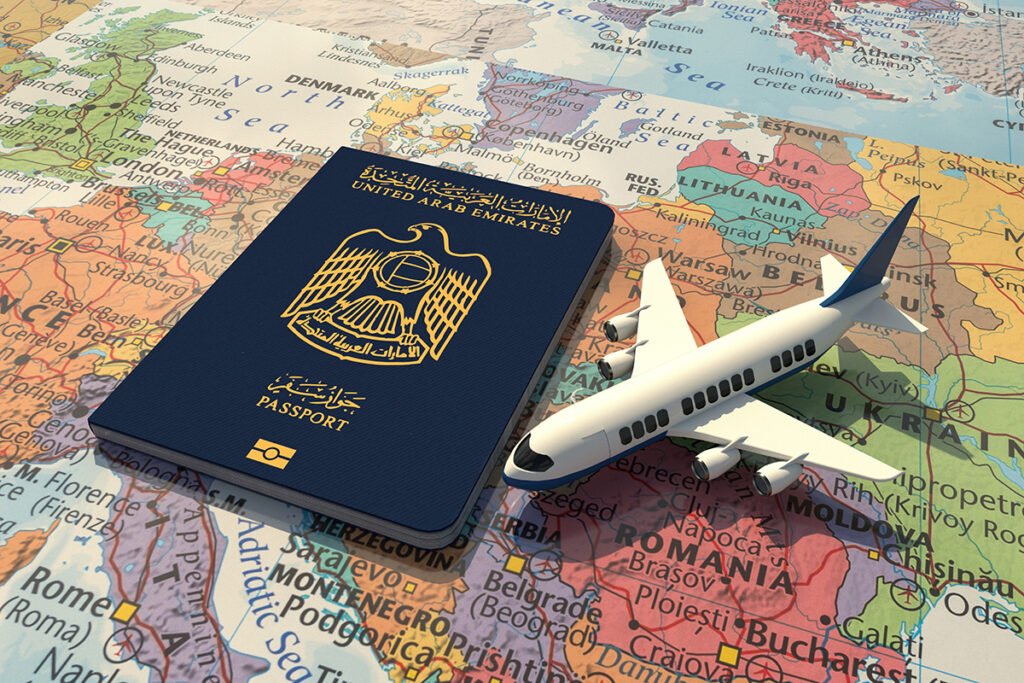
The UAE passport’s impressive climb through global mobility rankings shows the nation’s diplomatic success. Latest data from the Henley Passport Index reveals that UAE has reached fifth position globally in 2026, jumping up 57 places in the last two decades.
Henley Passport Index 2026 reveals UAE’s new position
The Henley Passport Index marks its 20th anniversary this year. This prestigious index ranks passports using exclusive data from the International Air Transport Association (IATA). UAE now shares the fifth spot with Hungary, Portugal, Slovakia, and Slovenia. The Emirates now ranks higher than several powerful passports including New Zealand (6th), the UK and Australia (both 7th), Canada (8th), and the US (10th).
Dr. Christian H. Kaelin, Henley & Partners’ chairman and the index’s creator, called UAE’s progress “without parallel” in global passport rankings. His assessment points to broader changes in global mobility patterns. Traditional Western powers have seen their positions slip while Middle Eastern and Asian nations gain ground.
Omar Obaid Al Shamsi, Under-Secretary of the UAE Ministry of Foreign Affairs, shared his thoughts: “By expanding travel freedom, the UAE ensures that our citizens enjoy ever-greater opportunities across the world, while simultaneously promoting global growth and collaboration”. This achievement brings two key benefits – better mobility for citizens and greater diplomatic influence for the nation.
UAE passport now offers access to 184 destinations
UAE’s improved passport ranking gives its citizens access to 184 destinations worldwide without visas or with visa-on-arrival. This expanded travel privilege directly benefits UAE nationals.
The scale of this achievement becomes clear through numbers. UAE citizens can now access 149 more destinations than they could in 2006 – the biggest gain any country has seen in the index’s history. This growth proves how good diplomatic relations can create real benefits for citizens.
The UAE passport now outranks many traditionally strong travel documents. The country met its 2017 goal ahead of schedule, when the UAE Ministry of Foreign Affairs and International Cooperation aimed to make their passport one of the world’s five strongest by 2021.
Regional comparisons make UAE’s fifth place even more remarkable. Other Gulf nations rank much lower: Qatar at 47th, Kuwait at 50th, Saudi Arabia at 54th, Bahrain at 55th, and Oman at 57th. This gap shows UAE’s exceptional diplomatic achievements compared to similar regional economies.
Comparison with previous years’ rankings
UAE passport’s rise shows steady progress rather than sudden jumps. Year-by-year rankings tell the story:
| Year | Ranking |
|---|---|
| 2016 | 38 |
| 2017 | 38 |
| 2018 | 21 |
| 2019 | 15 |
| 2020 | 18 |
| 2021 | 16 |
| 2022 | 15 |
| 2023 | 15 |
| 2024 | 11 |
| 2025 | 10 |
| 2026 | 5 |
The numbers show impressive momentum between 2017 and 2018, with a 17-place jump from 38th to 21st position. The steady climb from 11th to 5th place over the last three years proves UAE’s diplomatic strategy works well.
This improvement matches the country’s foreign policy goals. The record-breaking rise shows “leadership’s forward-looking vision and steadfast dedication to openness, dialog, and global cooperation”. UAE achieved this through targeted diplomatic efforts to secure travel agreements across multiple regions.
Henley Passport Index research shows that “countries that actively negotiate visa waivers and build cooperative ties tend to expand travel freedom for their citizens”. UAE’s case proves this point, showing how political and economic stability plus strategic international engagement leads to stronger passport power.
This upward trend rests on solid diplomatic foundations, not temporary deals. UAE’s political stability and clear vision helped build lasting relationships with other nations, leading to permanent visa agreements.
UAE’s success offers valuable lessons for countries wanting to boost their global mobility standing. Nations can copy some of UAE’s success by focusing on international cooperation, maintaining stability, and running strategic diplomatic programs to strengthen their passport power and create more opportunities for their citizens abroad.
UAE surpasses major Western nations in passport strength
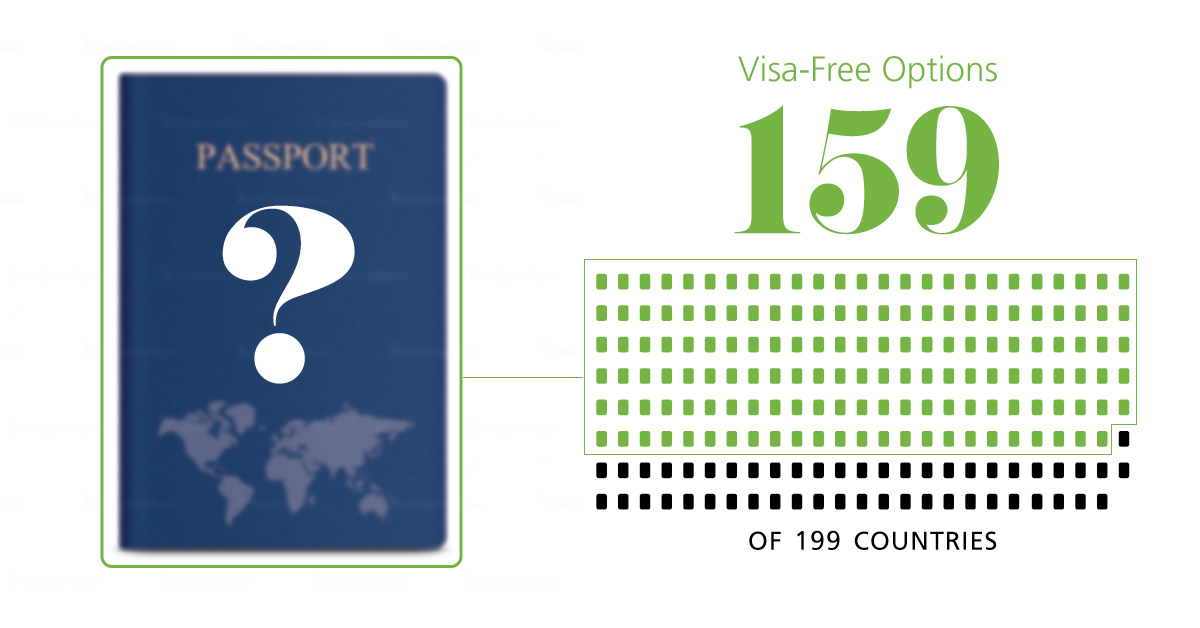
Image Source: Visual Capitalist
Recent data from the Henley Passport Index shows that the UAE passport now ranks higher than several powerful Western travel documents. This change marks a complete reversal of the traditional passport rankings that existed for decades.
UAE ranks above US, UK, Canada, and Australia
The UAE passport now holds the fifth position globally in the latest Henley Passport Index. It ranks ahead of New Zealand (6th), the United Kingdom and Australia (both 7th), Canada (8th), and the United States (10th). This achievement shows how global mobility has changed.
The American passport’s decline stands out. After holding the top spot in 2014, it has dropped to 12th place. US passport holders can now visit 180 countries without a visa or get one on arrival – four fewer than UAE passport holders.
The UK passport no longer dominates global rankings and shares 7th place with Australia. Both countries now have access to fewer destinations than UAE passport holders.
Here’s how these passports compare:
| Country | 2026 Henley Rank | Visa-Free Destinations |
|---|---|---|
| UAE | 5th | 184 |
| New Zealand | 6th | 186* |
| UK | 7th | 184 |
| Australia | 7th | 185* |
| Canada | 8th | 183 |
| US | 10th | 180 |
*Note: There are some variations in reported numbers across sources, but the official Henley ranking confirms UAE’s 5th place position.
The Nomad Capitalist Passport Index offers another way to look at passport strength. It places the UAE passport at joint 10th place globally. This index looks at visa-free travel, taxation, global perception, dual citizenship, and personal freedom. The UAE outperforms both the UK (35th) and US (43rd) in this ranking too.
How strong is UAE passport compared to global peers
The UAE passport’s global standing shows its remarkable progress. It shares fifth position with European countries like Hungary, Portugal, Slovakia, and Slovenia.
Asian and European countries still lead the rankings. Singapore tops the list with access to 193 destinations. South Korea follows with 190, Japan with 189, and several European nations including Germany, Italy, Luxembourg, Spain, and Switzerland with 188. The UAE stands close to these leaders.
The UAE passport dominates the Middle East region. Other Gulf nations rank much lower: Qatar at 47th, Kuwait at 50th, Saudi Arabia at 54th, Bahrain at 55th, and Oman at 57th. Different sources show even lower rankings – Bahrain at 88th, Oman at 87th, Kuwait at 99th, and Qatar at 111th.
Experts at Henley & Partners say the UAE’s success comes from its “exceptional travel access” worldwide. The country also offers business-friendly tax policies, making it attractive if you have international business interests.
UAE citizens now need visas for only 42 destinations worldwide. This gives them freedom to travel for business, tourism, education, and cultural exchange.
The UAE’s rise to power is impressive because it happened so fast. While European and North American passports traditionally dominated these rankings, and Asian nations joined the top tier in the last decade, the UAE’s quick rise shows how good diplomatic relations can improve mobility.
Top visa-free countries for UAE passport holders
UAE passport holders can visit 184 destinations across the world without a visa. Some key destinations include:
- European nations: Austria, Belgium, Germany, Switzerland, Spain, Sweden
- Asian powerhouses: Singapore, South Korea, Thailand
- Major Western nations: United Kingdom, New Zealand
- Tourist destinations: Maldives
This list shows how far UAE passport holders can travel. They can easily access major financial centers, cultural capitals, educational hubs, and vacation spots.
The UK and UAE have a special relationship. Even though the UK passport ranks lower globally, UAE citizens can enter the UK without a visa. This shows the strong ties between these nations despite their changing positions in passport rankings.
The UAE has focused on getting visa-free access to strategically important places:
- Financial centers for business opportunities
- Educational hubs for academic advancement
- Tourist destinations for leisure travel
- Emerging markets for economic partnerships
This strategy helps UAE citizens visit places that matter most. The government’s work to increase international access has created more opportunities for UAE nationals abroad.
The UAE passport’s progress is remarkable. In 2006, it allowed visa-free or visa-on-arrival access to just 35 destinations. Today’s figure of 184 destinations shows an increase of 149 visa-free destinations – the biggest improvement any country has made in the index’s history.
Omar Obaid Al Shamsi, Under-Secretary of the UAE Ministry of Foreign Affairs, highlighted this achievement’s importance. He said the UAE’s trip “stands as an inspiring example of how vision, participation, and openness can translate into tangible benefits for both citizens and the wider international community”.
Dr. Christian Kaelin, Henley & Partners’ Chairman, called the UAE’s rise “unmatched.” He noted that long-term vision, political stability, and proactive diplomacy can lead to better global mobility and increased soft power.
As passport strength becomes more important for global influence and opportunity, the UAE’s success shows a change in international relations. Strategic diplomatic relations can now help nations rise quickly in global mobility rankings, challenging the traditional Western dominance.
Diplomatic strategy drives UAE passport success

Image Source: Hammer Mindset
The UAE passport’s remarkable rise stems from a sophisticated diplomatic strategy. Years of global participation and careful foreign policy initiatives made this possible. Success came from building worldwide relationships that gave UAE citizens greater freedom to travel.
Role of bilateral and multilateral agreements
UAE’s diplomatic achievements come from a well-thought-out plan to build and strengthen international bonds. The UAE Ministry of Foreign Affairs launched the UAE Passport Force initiative in 2017. Their goal aimed to place the country’s passport among the world’s top five by 2021. The team achieved this ambitious target early through persistent diplomatic work.
The Strategy of the Ministry of Foreign Affairs 2023-2026 plays a vital role. This plan aims to “use proactive diplomacy and encourage strong bilateral and multilateral partnerships to achieve its foreign policy priorities”. Five key objectives shape this strategy:
- Raising the UAE’s reputation and soft power
- Leading global dialog on sustainable development
- Strengthening UAE’s economic power and competitiveness
- Protecting Emirati citizens’ interests abroad
- Supporting global efforts to maintain regional security
The ministry achieved these goals through “sustained diplomacy, new mutually beneficial alliances, and a long list of negotiated visa waivers across regions”. Data shows UAE’s systematic expansion of visa-waiver agreements, especially with European, Asian, and Latin American countries.
Dr. Kaelin from Henley & Partners states that “passport strength is not accidental—it is built by a clear vision and policy”. His research shows how “countries that actively negotiate visa waivers and build cooperative ties tend to expand travel freedom for their citizens”. UAE proves this through consistent diplomatic work across many regions.
UAE has managed to keep an active schedule of high-level diplomatic exchanges. These include “the exchange of visits and contacts at the highest levels, as well as the regular holding of joint committee meetings”. Such interactions create stronger diplomatic bonds that lead to visa liberalization agreements.
Visa liberalization and foreign policy initiatives
UAE developed an advanced visa liberalization strategy to secure access worldwide. Their approach targets specific countries and regions that match UAE’s broader economic and political goals.
Relations with India show a recent example. Senior diplomats from both nations met in Abu Dhabi for the sixth Joint Committee on Consular Affairs meeting in November 2025. Four key workstreams guided their talks:
- Faster visa processing
- Expanded consular access
- Streamlined extradition procedures
- A standing review mechanism
Both sides agreed to “progressive liberalization” of visa policies. A pilot program might grant five-year multiple-entry visas to select Indian business travelers and professionals. Similar strategies work with other key trading partners.
UAE backed plans for an electronic document-validation portal. Expatriates can upload police-clearance certificates and academic degrees directly to UAE immigration systems. This state-of-the-art solution cuts attestation times from weeks to days. Such technical advances support broader visa liberalization by making document checks faster.
UAE and India planned to create “a shared digital ledger of overstay records and criminal-status updates, slated to go live in early 2026”. These technical solutions build trust and help implement visa agreements smoothly.
Indian Ministry of External Affairs confirmed that talks with UAE have “resulted in progress in four key areas including liberalization of visa policies”. Progress happened “in an atmosphere of traditional warmth and cooperation that characterizes the historic and Comprehensive Strategic Partnership between India and the UAE”.
UAE stays focused on its main strategy of “protecting the UAE’s national interests, promoting peace and security both regionally and globally, advancing economic prosperity and providing excellent services and support to its citizens abroad”.
Statements from UAE Ministry of Foreign Affairs
Omar Obaid Al Shamsi, Under-Secretary of the UAE Ministry of Foreign Affairs, linked diplomatic strategy to passport strength: “The record-breaking ascent of the UAE passport reflects our leadership’s forward-looking vision and steadfast dedication to openness, dialog, and global cooperation”.
Al Shamsi credited this achievement to “the tireless efforts of UAE diplomacy to establish mutually beneficial alliances that raise the nation’s standing on the international stage”. He added that “by expanding travel freedom, UAE will give its citizens ever-greater opportunities across the world, while encouraging global growth and collaboration”.
The Under-Secretary showed how UAE’s approach serves as “an inspiring example of how vision, participation, and openness can translate into tangible benefits for both citizens and the wider international community”. His words highlight how enhanced mobility creates opportunities while building international relationships.
Henley & Partners’ research reveals several factors behind successful passport strengthening. These include “reciprocity in visa policies, proactive foreign relations, economic status, and tourism-led openness”. UAE’s diplomatic initiatives address each factor strategically.
Al Shamsi noted UAE’s focus on “tourism, trade, and global engagement as part of broader economic diversification strategies”. This integrated method directly led to “successive improvements in visa-free access”.
UAE enhanced passport security features alongside diplomatic work. The Federal Authority for Identity, Citizenship, Customs and Ports Security added advanced technical specifications that “promote the requirements of security and safety when moving or passing through international travel points, and support diplomatic efforts”.
UAE’s diplomatic strategy combines several key elements: strategic vision, sustained diplomatic work, state-of-the-art solutions, and integration with broader economic goals. These elements created unprecedented results in global mobility rankings. Other nations might study this model to develop their own passport enhancement strategies.
Experts link passport power to global influence

Image Source: Visual Capitalist
A nation’s global standing now depends heavily on its passport strength, according to leading experts in international mobility and diplomacy. The UAE passport’s remarkable rise shows how travel freedom links to diplomatic influence, political stability, and global perception.
Quotes from Henley & Partners and IATA
Dr. Christian H. Kaelin, Chairman at Henley & Partners and creator of the Henley Passport Index, expresses how passport power matters more than ever: “Over the past 20 years, global mobility has expanded significantly, but the benefits have been distributed unevenly. Today, passport privilege plays a decisive role in shaping opportunity, security, and economic participation”. His assessment shows that passport rankings now affect access to global resources.
Willie Walsh, Director General of the International Air Transport Association (IATA), sees changes ahead in travel documentation: “A record number of people are expected to travel in 2026. But as many governments look to tighten their borders, technological advances such as digital ID and digital passports should not be overlooked by policymakers. Convenient travel and secure borders are possible”. Walsh believes passport innovation will remain vital as countries balance security with mobility needs.
The Henley Passport Index, known as “the original, authoritative ranking of all the world’s passports,” builds its credibility through exclusive IATA data – “the largest, most accurate travel information database”. This partnership between Henley & Partners and IATA makes the index the main measure of global mobility access.
Misha Glenny, an award-winning journalist and current Rector of the Institute for Human Sciences in Vienna, puts it plainly: “Passport power ended up reflecting political stability, diplomatic credibility, and knowing how to shape international rules”. He notes that for countries like the US and UK, “the erosion of mobility rights is less a technical anomaly than a signal of deeper geopolitical recalibration”.
Mobility as a reflection of political stability
Studies show clear links between a nation’s passport strength and political stability. When comparing the Henley Passport Index with the Global Peace Index, a clear pattern emerges: “All the nations occupying the Top 10 ranks of the Henley Passport Index can also be found in the Top 10 ranks of the Global Peace Index. And likewise for the bottom-ranking nations”.
This connection goes beyond peace indexes to broader governance measures. A bivariate choropleth analysis “overwhelmingly confirms the existence of a strong correlation between passport viability and governmental stability. Citizens from more stable nations are seen as less of a threat by foreign governments, and will be more readily allowed to travel visa-free”.
The relationship works both ways. A powerful passport shows stability and helps improve it further. African mobility trend analysis shows: “A powerful passport reflects a country’s political stability and economic resilience. This improved standing improves a nation’s attractiveness to foreign investors, drives tourism, and signals a favorable environment for business”.
The Henley Passport Index’s historical data reveals how political conditions affect mobility directly: “The general trend over the history of the 18-year-old Henley Passport Index ranking has been towards greater travel freedom, with the average number of destinations travelers are able to access visa-free nearly doubling from 58 in 2006 to 109 in 2023”. Yet during this time, “the global mobility gap between those at the top and bottom of the index is now wider than it has ever been”.
Soft power and international cooperation
Dr. Tim Klatte, Partner at Grant Thornton China, sees a major change happening: “There is a visible shift underway in the global balance of power, marked by China’s renewed openness and the USA’s retreat into nationalism. As countries increasingly compete for influence through mobility, openness is becoming a critical component of soft power”.
Research by Syracuse University and University of Pittsburgh found that visa freedom links strongly to economic freedom indicators, including foreign direct investment inflows, property rights, tax burden, and investment freedom”.
A country’s passport power shows its diplomatic relationships too. Countries with better passport rankings benefit from stronger relationships with key partners. This leads to working together on regional challenges like security, climate change, and infrastructure development.
The UAE’s experience shows how passport strength serves multiple goals:
- Enhanced global perception – A strong passport “reflects diplomatic reach and international acceptance”
- Investment in soft power – The UAE’s hosting of “global events, humanitarian initiatives, international forums and cultural exchanges has strengthened its global image”
- Strategic partnerships – Passport power represents the culmination of “long term planning, consistent foreign policy and sustained diplomatic engagement”
Global mobility experts note that “a passport is not just a travel document. It reflects a country’s global relationships, stability, security standards and how its citizens behave abroad”. UAE citizens now have unprecedented access to international chances in business, education, and culture.
Experts agree that passport strength has grown from a simple travel document into a sophisticated measure of global influence, political stability, and diplomatic effectiveness. The UAE’s achievement shows more than just better travel privileges – it marks a fundamental change in its global position.
UAE’s rise signals shift in global mobility dynamics
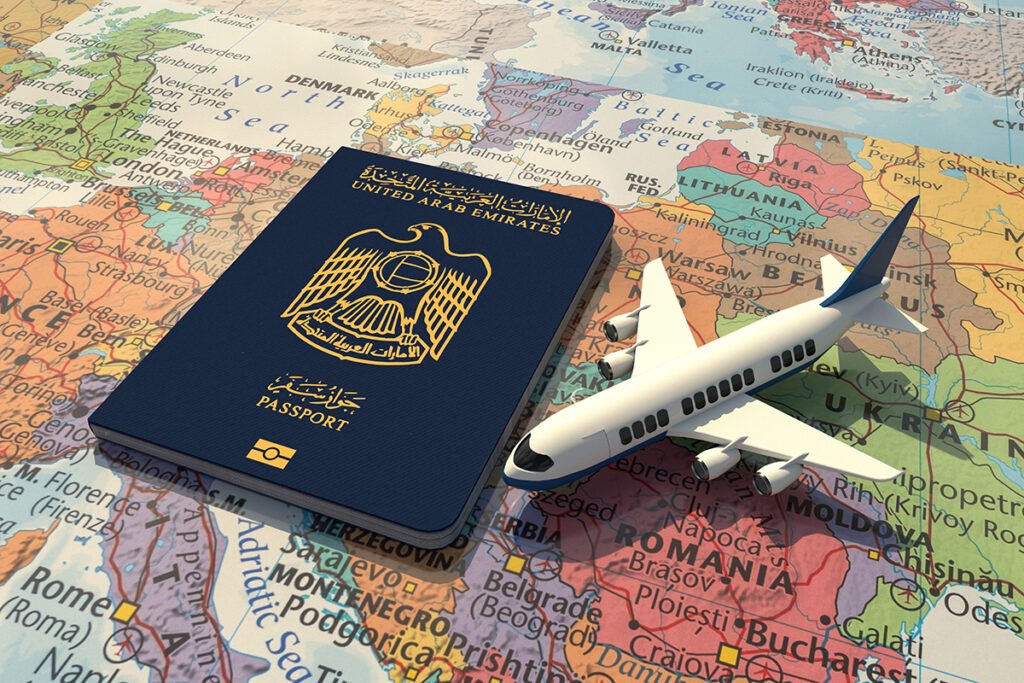
The global passport hierarchy is changing dramatically, and UAE’s remarkable rise shows new patterns in international mobility.
Decline of US and UK in rankings
Western powerhouses have lost their dominance in passport strength. The US dropped from the top spot in 2014 to 10th place today. The UK’s position has also weakened to 7th place from its previous leading status. Other Western nations face similar challenges as their global influence diminishes due to sovereign debt issues and political instability.
Asia and Middle East gaining ground
Asian and Middle Eastern nations now lead the rankings. Singapore tops the list with access to 193 destinations, while Japan and South Korea hold strong positions in the top three. UAE’s entry into the top five shows how regional powers can climb the rankings through international cooperation.
What this means for global travel trends
The new distribution of passport power points to major changes ahead. Travel influence now centers in the East. People need to plan their citizenship more carefully to move globally. Migration experts point out that “passport power increasingly correlates with economic opportunity and global influence.” More diverse travel patterns will emerge as citizens from rising economies access new international destinations.
UAE’s climb from 62nd to 5th place shows how the old passport hierarchy has altered the map completely.
UAE passport’s remarkable climb from 62nd to 5th place globally shows evidence of strategic diplomatic vision and steady international involvement. This achievement represents one of the biggest mobility transformations in passport history. UAE citizens now enjoy access to 184 destinations worldwide. Their passport has jumped 57 places over two decades and positioned the Emirates ahead of several traditional Western powers, including the United States, United Kingdom, Canada, and Australia.
A sophisticated diplomatic strategy focused on bilateral agreements and visa liberalization initiatives drives this success. UAE Ministry of Foreign Affairs turned its ambitious passport improvement goals into reality through systematic relationship-building with different regions. UAE citizens now have more global mobility options than neighboring Gulf states that rank much lower internationally.
Passport strength serves as a measure of a nation’s global influence and political stability. UAE’s exceptional performance shows not just better travel convenience but a fundamental change in its position within the global order. These changes line up with broader trends that show Asian and Middle Eastern nations moving up while traditional Western powerhouses see their influence decline.
UAE citizens enjoy benefits that go way beyond easy travel. They can access major financial centers, educational institutions, and cultural capitals without visa requirements. These advantages create new opportunities for business growth, academic progress, and cultural exchange. UAE has turned its passport from a simple travel document into a powerful tool that raises national prestige and broadens individual horizons.
UAE’s success story gives valuable lessons to nations that want to boost their global mobility standing. Countries can copy, apply, and extend parts of UAE’s success by prioritizing international cooperation, maintaining political stability, and implementing strategic diplomatic initiatives. The global passport hierarchy keeps changing, but UAE proves that clear vision combined with sustained diplomatic effort can alter a nation’s position in the international mobility map.