The Currency of Time: Inside the Tolani Majlis and its $50 Million Archive of Empires

DUBAI, United Arab Emirates – In the quiet, opulent enclave of Nad Al Sheba, behind the doors of a majestic private villa, rests a staggering physical record of human civilization. It is not a central bank vault, nor is it a sovereign national archive. It is the Tolani Majlis, a meticulously curated private space housing over 250,000 historical coins and more than 60,000 currency notes. Weighing over a ton in solid metal and spanning eras from 2 BC to the modern day, this unprecedented collection represents the culmination of one man’s life, his brush with mortality, and a family’s dedication to preserving the fragile history of global commerce.
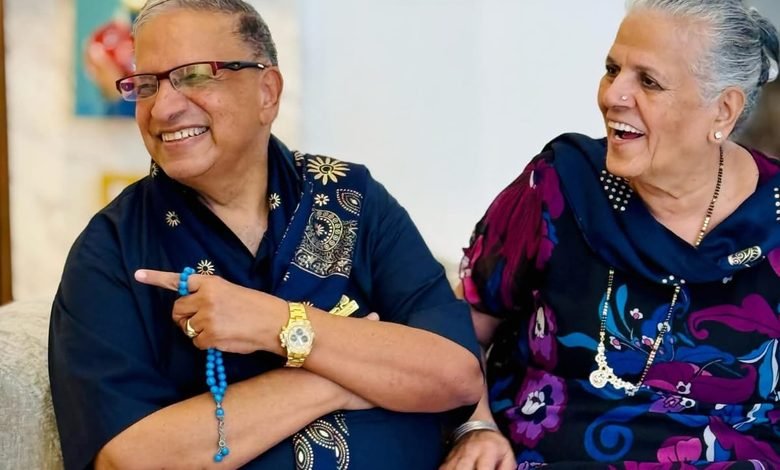
According to global experts, the estimated value of this unparalleled collection is pegged at roughly $50 million. Yet, for its founder, Mr. Ram Kumar Tolani, and his wife, Mrs. Seema Tolani, the true value of the Majlis cannot be quantified by a ledger. It is an institution forged from survival, driven by a philosophy that views money not merely as a medium of economic exchange, but as the ultimate mirror of human history.
“To many people, a coin is only a piece of metal, and a note is only a medium of exchange,” Ram Tolani recently articulated in an exclusive interview. “But to me, every piece was a small witness to history. It showed who ruled, what people believed in, how economies moved, how cultures traded, and how nations expressed their identity”.
To step into the Tolani Majlis is to traverse the rise and fall of empires. The collection serves as an active, living library dedicated to education, family legacy, and philanthropy, offering future stewards of wealth a tactile connection to the past.
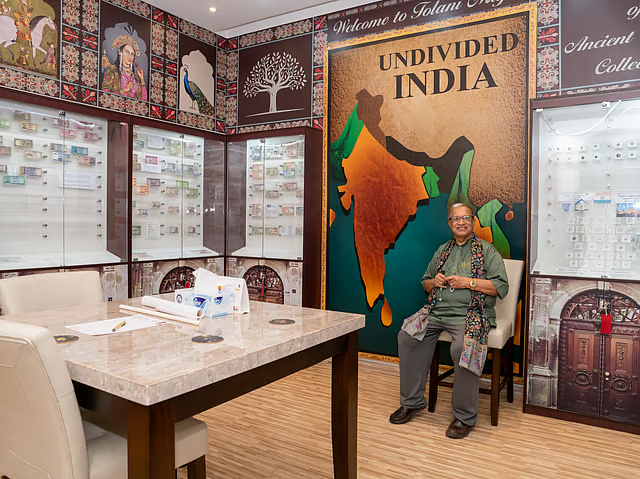
The Void and the Tin Box
The genesis of the Tolani Majlis is rooted not in a calculated investment strategy, but in a profound medical crisis that redefined the trajectory of the Tolani family. Ram Tolani, a highly successful Dubai-based businessman, financial expert, author, and speaker, had built a formidable global enterprise. But in 2008, on the eve of his daughter’s wedding, his life fractured. Overwhelmed by a massive surge of emotions and joy surrounding the occasion, he suffered a devastating brain stroke.
The stroke left the septuagenarian paralyzed and confined to a grueling regimen of surgeries and physiotherapy. Forced to step back from his insurance enterprise, he found himself suddenly unmoored from the relentless pace of his professional life. “Unable to do much work immediately after surgeries and physiotherapy, I felt a deep void in my life,” he recalled of the agonizing period of rehabilitation. For a man who thrived on perpetual motion and business building, the stillness was suffocating.
Medicine worked slowly, but it was an unexpected intervention of family memory that accelerated his healing. During a conversation, his son, Dr. Sanjay Tolani, recognized that his father needed a renewed sense of purpose. Seeking to channel his father’s energy into something meaningful, Sanjay asked him to recall what he had treasured most during his childhood. The answer lay in the past: a long-abandoned childhood passion for numismatics.
Sanjay located a small tin box in the family’s ancestral home in Indore, India. Inside were a handful of coins and stamps that Ram had collected as a boy, a childhood fascination set aside for the practical demands of building a career. Holding those simple metal discs from his youth reignited a dormant spark. As Ram immersed himself in sorting and cataloging the coins, the cognitive and emotional engagement catalyzed his rehabilitation in ways that astounded his doctors.
“What began as a personal hobby slowly became a life mission,” Ram noted. “I realized that I was not merely collecting objects. I was preserving stories, civilizations, mistakes, victories, currencies, cultures, and memories that could educate future generations”.
What started with a tin box rapidly evolved into a global pursuit. Supported by his family, Ram began participating in international auctions from London to Singapore. Within two years, the collection expanded at an extraordinary velocity, growing to a quarter of a million pieces. The sheer volume of history quickly overwhelmed the Tolani family office, necessitating the creation of a dedicated space. The result was the Tolani Majlis, a private villa in Nad Al Sheba transformed into an unparalleled archive of human exchange.
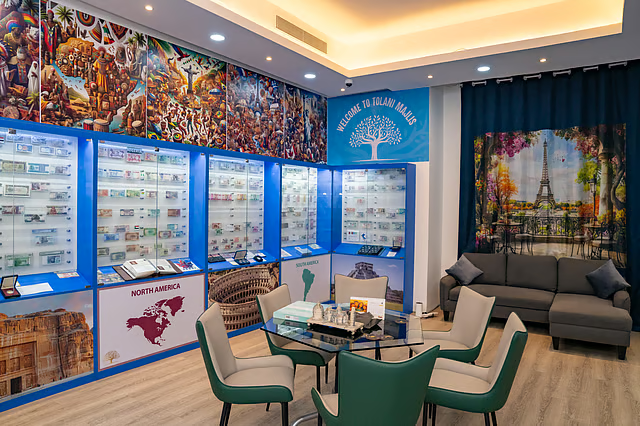
The Architecture of the Collection
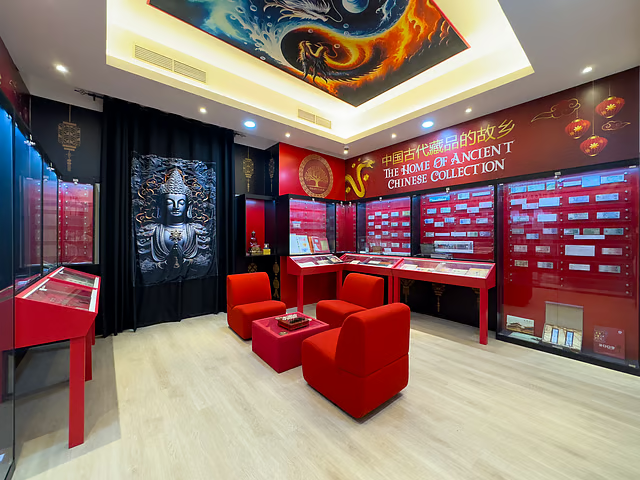
The Tolani Majlis is organized with the meticulous precision of a world-class institution, featuring thousands of items that cross five continents and six generations of legacy. Every object within its walls was once touched by a human hand, traded, gifted, saved, or discovered and that story travels with it.
The depth and variety of the artifacts border on the surreal. The collection traces the lineage of commerce from ancient punch-marked coins used in Mohenjo-daro to the silver rupees of Shah Jahan’s magnificent Mughal courts. It is a physical timeline of the earliest language of trust.
But it is the rarities and curiosities that truly capture the imagination of global numismatists. Visitors can view a large-format banknote from China’s Ming Dynasty, an artifact so exceptionally rare that the official Chinese Museum reportedly does not possess a comparable specimen. The paper money exhibit, encompassing over 60,000 pieces, features Dutch colonial notes issued in Indonesia and misprinted Indian currency valued at ten times their face amount.
The boundaries of traditional money are delightfully blurred within the Majlis. The collection houses coins shaped like ancient keys, heavy axe heads, flat plates, and rough metal fragments. Pop culture and contemporary legends are also cast in precious metal. The collection features a silver coin celebrating the iconic Arabian Nights tale of Ali Baba and the Forty Thieves. Minted as legal tender for the South Pacific island nation of Niue, it is one of just 3,000 ever produced, depicting the moment Ali Baba overhears the thieves at their secret cave. The pop-culture artifacts continue with legal tender coins featuring Cinderella, Superman, Batman, Winnie the Pooh, and a commemorative gold coin honoring Formula 1 legend Michael Schumacher.
Beyond conventional money, the Majlis functions as a sanctuary for specific historical tributes. “Gallery Two” is entirely dedicated to Mahatma Gandhi. This remarkable exhibit houses over 20,000 items, including the first Rs10 Gandhi coin minted in 1969, a unique wedding garland constructed entirely of Gandhi notes, international gold medallions, and the “Ahimsa” fountain pen from the Eternal Gandhi initiative.
Deeply embedded in the United Arab Emirates, the Majlis also serves as a critical repository for Emirati heritage. “Gallery Three” documents the evolution of UAE and GCC currency across the decades of nationhood, anchored by a massive 260-gram gold coin bearing the likeness of the late Sheikh Zayed, the Founding Father of the UAE.
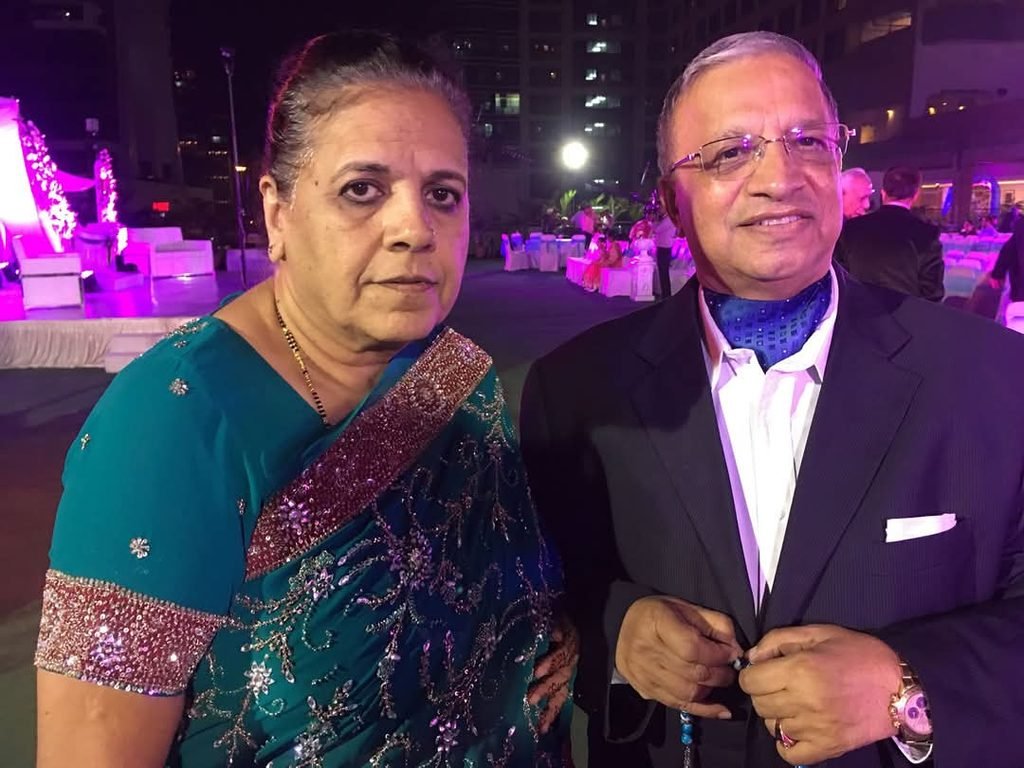
The Pillars: Seema, Sanjay, and the Family Office
To view the Tolani Majlis purely as an accumulation of historical wealth is to misunderstand its foundation. It is, at its core, a testament to family resilience and intergenerational stewardship.
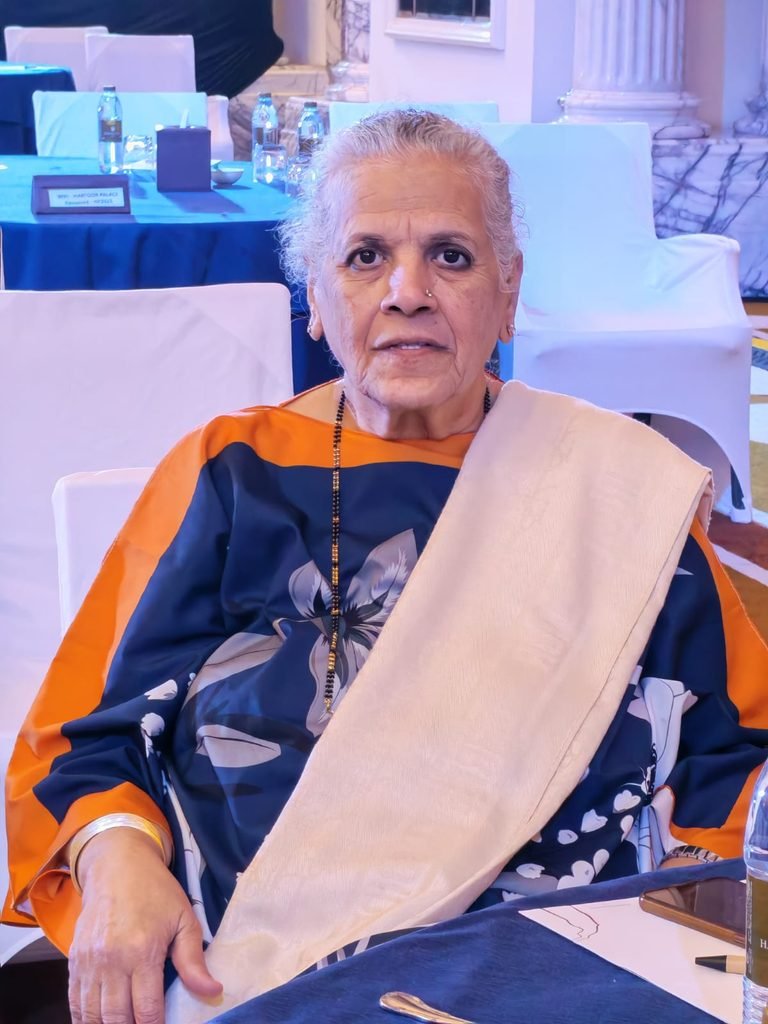
“My family has always been central to this journey,” Ram stated. Central to this narrative is his wife, Mrs. Seema Tolani, whom Ram reveres as the bedrock of his endurance. “My wife Seema has been my pillar of strength through every phase of life,” he reflected, acknowledging her unwavering support through his illness, his recovery, and the monumental task of building the collection.
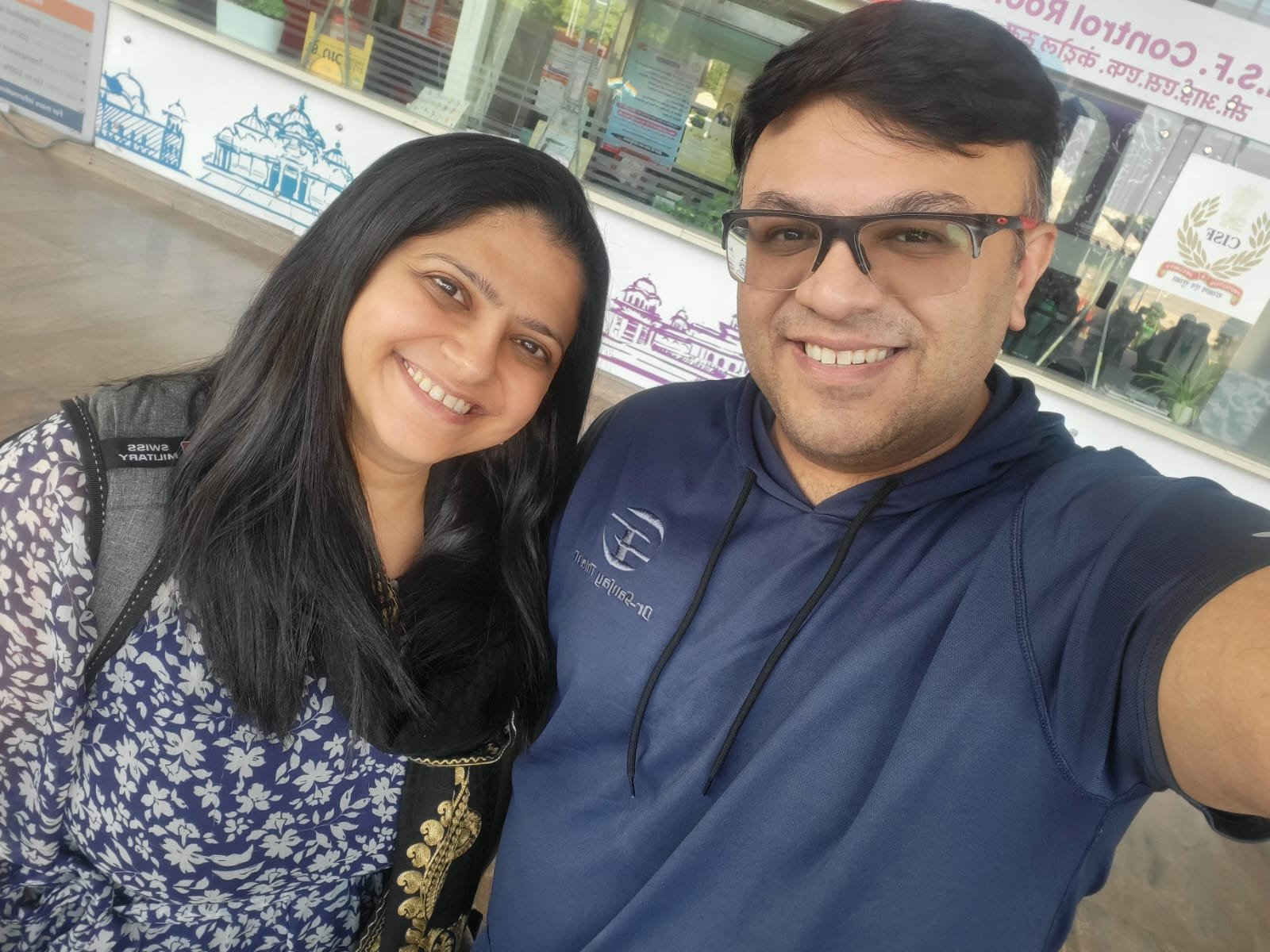
The transition of the collection from a private hobby to a globally significant educational institution was heavily influenced by his son, Dr. Sanjay Tolani. Sanjay, representing the next generation of the Tolani Family Office, brought a structured, global perspective to his father’s passion.
“Working with my son, Dr. Sanjay Tolani, has been one of the greatest blessings of my life,” Ram noted. “In business, he helped carry forward the family legacy. In my personal recovery, he encouraged me to return to my childhood passion… My generation often built through hard work, sacrifice, and instinct. The next generation adds structure, strategy, governance, and global thinking. When these two perspectives come together, legacy becomes stronger”.
This dynamic between father and son highlights a central theme explored by the Tolani Family Office: the transition of wealth and values. Through their collaboration, they recognized that wealth must not end merely in accumulation; it must actively evolve into education, protection, philanthropy, and continuity. “The collection became a bridge between my memories and his vision, between private passion and public purpose,” Ram explained.
Today, the Tolani Family Office utilizes the Majlis not as a display of opulence, but as a sophisticated tool for engagement. The venue frequently hosts Family Office Legacy Salons, providing a warm, non-commercial setting for high-net-worth families, global icons, and advisors to exchange ideas on governance, sustainable wealth, and next-generation stewardship.
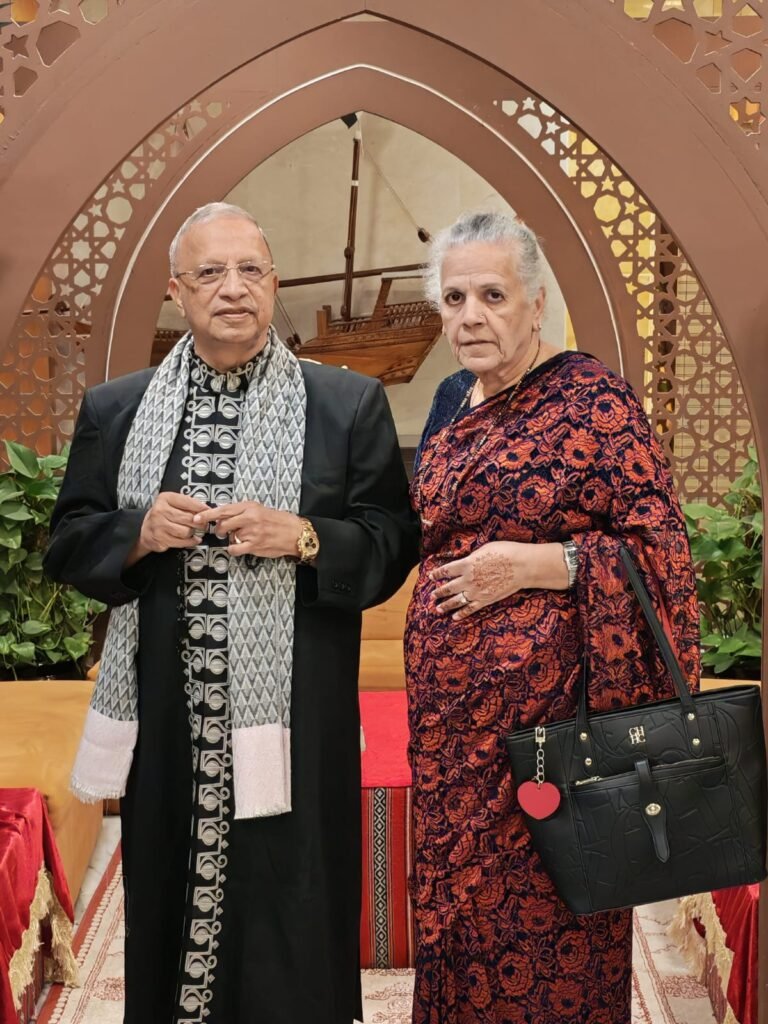
From Museum to Global Currency Library
As the collection matured, so too did Ram Tolani’s philosophy regarding its ultimate purpose. In a profound conceptual shift, he recently rebranded the space from a “Private Museum” to the “Tolani Private Global Currency Library”.
The distinction in terminology is deeply intentional. “The word ‘museum’ is beautiful, but sometimes people feel that a museum is something they only look at. A library, however, is something people learn from,” he explained. “A library invites reading, research, conversation, discovery, and education… This collection is not built only for display. It is built to be studied”.
This ethos dictates the visitor experience at the Majlis. The facility operates strictly by appointment, catering to family learning tours, student visits, serious numismatic researchers, and philanthropic gatherings. Admission is completely complimentary for educational and invited visits, ensuring that the focus remains entirely on the dissemination of knowledge rather than commercial gain.
Ram Tolani views his role not as an owner, but as a temporary custodian of history. “Every item must be protected, documented, organised, and understood,” he stated. “A coin without context is incomplete. A note without its story is only paper. So my relationship with the collection has changed from collector to custodian… The larger the collection becomes, the humbler I become. Because I realise that no individual can truly ‘own’ history. We can only protect it, study it, and pass it forward”.
The curation of the library is specifically designed to provoke intergenerational dialogue. When a child examines a Roman artifact or an Indian misprint, the goal is not to impress them with its financial appraisal, but to trigger intellectual curiosity. “When I show a coin to a child, I do not want them to only ask, ‘How much is it worth?'” Ram emphasized. “I want them to ask, ‘Where did it come from? Who used it? What was happening in the world at that time? Why was this design chosen?'”.
The Geography of Trust and the Rise of Nations
Because the Tolani Library is explicitly global, transcending the regional focus of most traditional currency museums, it offers a unique, panoramic view of macroeconomic history. The artifacts span varied political systems, faiths, economies, and empires.
Through these physical objects, visitors witness the fundamental truth of commerce: money is a barometer of human trust. “Currency is built on trust,” Ram observed. “A coin or a note has value because people believe in the authority, stability, and future behind it… When people trust the system, the currency becomes strong. When trust is broken through corruption, war, inflation, mismanagement, or loss of identity, economic systems weaken”.
The 250,000 coins and 60,000 notes serve as an irrefutable historical record that no empire is permanent, and no fiat system is guaranteed. However, the collection also reveals that certain values, integrity, clear governance, vision, and responsibility are timeless constants that allow families, institutions, and nations to endure the volatile cycles of history.
“When visitors enter, they do not see only one nation’s money. They see the world,” Ram explained. “They see the currencies of different continents, communities, empires, and eras. Each piece represents someone’s homeland, someone’s history, someone’s memory”.
A Gift to the “Country of Givers”
While the Tolani Majlis houses the heritage of the globe, its heart remains deeply tethered to its host nation. The Tolani family views the collection as a physical manifestation of their gratitude toward the United Arab Emirates, a country that provided them with safety, opportunity, and a platform for their enterprises to flourish.
“The UAE is a country of givers,” Ram noted in his interview. “It has created opportunities for people from many backgrounds. It has shown that vision, leadership, and generosity can transform a desert into a global centre of culture, business, and innovation. As a resident family, we feel a deep responsibility to honour that spirit”.
The diversity of the library intentionally mirrors the demographic fabric of the UAE itself, a nation built by visionaries and residents from India, Pakistan, the Arab world, Africa, Europe, and Asia. By preserving the history of so many different homelands under one roof in Dubai, the Majlis pays homage to the collaborative international spirit that built the modern Emirates.
With an uncompromisingly grand vision, Ram Tolani is now calling upon global visionaries, government bodies, cultural authorities, and academic institutions to help propel the library into its next chapter. Recognizing his own personal limitations, he is seeking synergies to transform this meticulously guarded private passion into a robust, publicly accessible national and global knowledge platform.
“I am not asking people to support my personal collection,” he clarified. “I am inviting them to help transform a private treasure into a national and global knowledge platform. As one individual, I can only do so much. But with the right visionaries, this can become something the UAE and the world can be proud of”.
The Ultimate Currency: Wisdom
In an era increasingly dominated by invisible digital transactions, decentralized ledgers, and artificial intelligence, the Tolani Majlis offers a profound, grounding counternarrative. It forces those who walk its halls to confront the physical weight of history. Visitors are surrounded by the tangible evidence of centuries of human effort, years of searching, preserving, and seeking to understand the legacy of our ancestors.
For the ultra-high-net-worth individuals and family office principals who visit Nad Al Sheba to grapple with the complexities of preserving their own private assets, the Majlis offers a masterful lesson in structural legacy. It demonstrates that private passions must be fortified with purpose, governance, rigorous documentation, and a commitment to education if they are to successfully pivot into public interest. “A collection becomes legacy only when it outlives the collector’s personal enjoyment and begins to serve others,” Ram advised.
Ultimately, the Tolani Private Global Currency Library stands as a monument to a single, unassailable truth regarding wealth. Throughout history, humanity has relied on gold, silver, paper, and code to store and exchange value. But the physical coins in the Majlis, some bearing the faces of forgotten kings, others minted by empires long turned to dust, serve as a quiet warning to modern stewards of capital.
“Wealth without wisdom can disappear,” Ram Tolani reflected. By transforming a near-fatal tragedy into an enduring library of human memory, Mr. Ram and Mrs. Seema Tolani have ensured that while capital may constantly change its form, the wisdom of history will remain safely preserved in the heart of Dubai.