Energy Trading Week 2026: How AI, Cloud ETRM & Algorithms Drive Dubai’s Commodity Desks

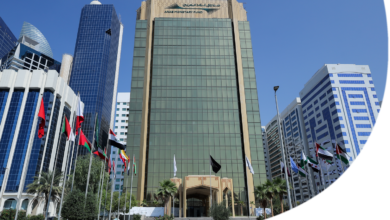
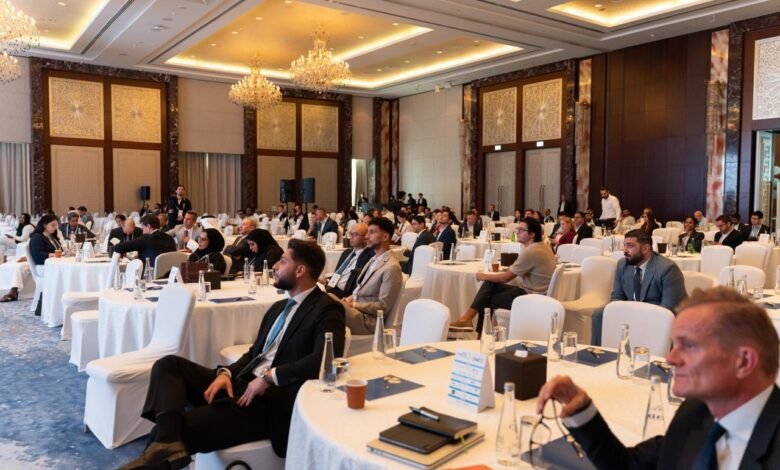
The curtain officially came down yesterday, September 3, 2026, on the inaugural Energy Trading Week Middle East, but the digital earthquake triggered across the Conrad Dubai continues to reverberate throughout global commodity markets. As over 1,000 technology directors, algorithmic traders, quantitative engineers, and enterprise software architects pack up their demonstration rigs, one reality is undeniable: the traditional energy trading desk has been completely re-engineered. The historic shift of global physical and financial commodity flows toward the Dubai Multi Commodities Centre (DMCC) ecosystem has collided directly with the rapid maturation of enterprise artificial intelligence, cloud-native software architecture, and real-time execution engines.
For decades, Energy Trading and Risk Management (ETRM) systems were notorious across the global tech sector for being bloated, slow, and operationally brittle. Built on legacy on-premises servers and fragmented relational databases, these traditional desktop solutions required massive overnight batch processing just to calculate daily portfolio risk metrics or reconcile physical position logs. Yesterday’s final technology showcases proved that this legacy hardware era is officially over. Driven by the extreme market volatility and complex cross-commodity arbitrage opportunities characteristic of 2026, Dubai-based trading operations have pioneered the transition to high-performance, cloud-native ETRM architecture.
This digital evolution is driven by the sheer scale and speed of modern energy markets. Operating at the geographic junction of Asian, European, and African trading windows, Dubai desks must process continuous streams of unstructured global data—spanning real-time satellite imagery of floating oil storage, maritime Automatic Identification System (AIS) vessel tracking signals, automated weather forecasts, and social media sentiment metrics. Legacy software infrastructure simply collapses under this computational load. Modern enterprise stacks built by software leaders like ION, Molequle-one, and dynamic cloud software startups deploy distributed serverless infrastructure to process terabytes of streaming data in milliseconds, turning raw data streams into actionable trading signals.
The strategic shift extends far beyond basic data processing. Executive panelists speaking at yesterday’s closing tech keynotes highlighted that digital infrastructure is no longer viewed as a back-office IT cost center, but as the primary driver of commercial edge. In an era where physical crude oil, liquefied natural gas (LNG), and critical transition metals are traded across multiple venues simultaneously, the speed at which a trading engine can recalculate credit limits, evaluate location basis spreads, and execute automated hedging orders determines whether a trade generates a windfall profit or a severe margin loss.
Predictive Algorithmic Engines: Machine Learning on the Physical Trade Floor
The star attraction of the technology track at the Conrad was the deployment of agentic AI trading models and machine learning engines specifically trained on physical commodity supply chains. Unlike purely financial algorithmic trading, which operates exclusively on electronic price feeds, physical energy algorithms must account for physical real-world constraints—such as pipeline pressure thresholds, refinery processing yields, vessel charter availability, and port congestion delays.
During yesterday’s live software demonstrations, quantitative developers showcased predictive machine learning models capable of digesting multi-modal unstructured datasets to execute automated cross-basin arbitrage trades. For instance, by analyzing satellite radar data monitoring crude oil tank floating-roof heights across major storage terminals in China and West Africa, an AI model can detect localized supply accumulation days before official inventory reports are published. The algorithm automatically calculates the resulting price impact on regional crude differentials, stress-tests the firm’s open positions against pre-programmed risk parameters, and presents a pre-hedged physical purchase recommendation to the human trading team.
Furthermore, machine learning models are revolutionizing short-term price forecasting for power and natural gas markets. As intermittent renewable energy sources—such as utility-scale solar arrays across the Gulf—increase their share of regional power grids, intra-day power prices exhibit extreme volatility and frequent negative pricing events. Predictive AI engines continuously monitor real-time weather radar, solar irradiance data, and localized grid demand to forecast power swings minutes in advance. Automated trading algorithms leverage these high-frequency predictions to execute instantaneous battery energy storage dispatch trades and cross-border power swaps, monetizing grid instability with zero manual intervention.
The integration of Natural Language Processing (NLP) models into trade execution workflows was another major milestone discussed at the event. Physical commodity trading relies heavily on unstructured communication across Instant Messaging channels, PDF trade recap documents, and custom voice broker calls. Advanced NLP agents now automatically parse incoming trade recaps, extract complex commercial terms—such as laycan delivery windows, quality specifications, and demurrage penalty clauses—and automatically populate the firm’s ETRM software, eliminating manual data entry errors and reducing operational trade settlement failures.
Modernizing the Stack: Migration to Scalable, Cloud-Native ETRM Architectures
A central theme across yesterday’s enterprise technology panels was the systemic migration from monolithic legacy desktop applications to modular, microservices-based cloud ETRM platforms. For large energy majors and independent trading houses operating in Dubai, migrating away from legacy systems was previously viewed as an insurmountable operational risk. However, the operational demands of modern multi-asset trading desks have made remaining on legacy software unsustainable.
Modern cloud ETRM architectures utilize containerized microservices hosted on elastic cloud infrastructure. This modular design allows trading firms to update individual components of their trading stack—such as credit risk modules, physical chartering modules, or regulatory reporting pipelines—independently, without taking the entire enterprise system offline. Furthermore, cloud-native systems offer virtually unlimited horizontal scalability. During periods of extreme market volatility, when transaction volumes and risk query requests surge exponentially, the cloud platform automatically spins up additional server instances to maintain sub-second response times, preventing system freezes during critical market movements.
The integration of Open Application Programming Interfaces (APIs) has also dismantled the data silos that historically plagued trading firms. In legacy environments, connecting an ETRM system with external trade finance portals, accounting software, and market price data feeds required custom, expensive software bridges that frequently broke. Modern cloud ETRM solutions feature standardized REST APIs, enabling seamless real-time data flow between the trading desk, corporate treasury, external clearing banks, and digital warehouse registries.
This API connectivity is particularly critical for real-time risk management. When a physical cargo is bought or sold, the transaction data instantly flows to the firm’s central risk engine, which recalculates the enterprise-wide Value-at-Risk (VaR), stress-tests the updated portfolio against macroeconomic scenarios, and adjusts available counterparty credit lines across all global desks in real time. This instant synchronization ensures that corporate treasurers and chief risk officers maintain absolute visibility over enterprise exposure regardless of where the trade was executed.
Data Sovereignty, Cybersecurity, and Regional Cloud Infrastructure
As Middle Eastern energy trading desks transition their core intellectual property and transaction data to cloud-native platforms, technology directors are facing complex challenges surrounding data sovereignty, regional regulatory compliance, and cybersecurity. Panelists speaking during yesterday’s afternoon security sessions emphasized that while cloud platforms offer unparalleled computational power, maintaining strict compliance with national data privacy laws is a mandatory operational requirement.
The United Arab Emirates has established clear regulatory frameworks governing data residency, requiring critical financial and corporate data to be stored and processed within domestic geographic boundaries. To support the rapid digital expansion of Dubai’s commodity ecosystem, global tech giants—including Microsoft Azure, Amazon Web Services (AWS), and Google Cloud—have established dedicated, high-security cloud data center regions within the UAE. These localized cloud regions allow Dubai-based trading firms to deploy cutting-edge cloud ETRM software and AI execution models while ensuring that sensitive transaction logs, physical trade strategies, and customer data remain fully compliant with regional data sovereignty mandates.
Concurrently, the threat landscape targeting energy trading tech infrastructure has escalated significantly. Modern commodity trading desks manage billions of dollars in daily transactions, making their ETRM systems, trade communication platforms, and automated execution engines prime targets for sophisticated cyber attacks, ransomware operations, and industrial espionage. Yesterday’s cybersecurity panels outlined robust defense frameworks, emphasizing the deployment of zero-trust architecture, multi-factor cryptographic authentication, and end-to-end encryption across all internal and external data pipelines.
Advanced AI is also being deployed defensively to protect trading infrastructure. Machine learning security models continuously analyze user access behavior, network traffic patterns, and database queries across the corporate ETRM network. If an anomalous data download or unauthorized API access attempt is detected, the AI security engine instantly isolates the compromised user account, revokes API keys, and alerts the security operations center, preventing malicious actors from disrupting trading operations or stealing proprietary trading algorithms.
Future Outlook: The Rise of Autonomous Agentic Trading Desks
As Energy Trading Week Middle East 2026 concluded yesterday, the software architects and quantitative leaders at the Conrad Dubai provided a vision of the energy trading desk of late 2026 and beyond: an environment where human traders operating in Dubai act as strategic portfolio commanders overseeing fleets of autonomous, agentic AI trading models.
The future of commodity trading lies in the seamless fusion of human physical market intuition with autonomous software execution. Rather than spending hours analyzing spreadsheets, entering trade recaps, and calculating position hedges, human traders will define high-level strategic objectives, risk boundaries, and capital allocation limits. Autonomous AI agents will then operate continuously within those parameters—scanning global markets for micro-arbitrage opportunities, optimizing shipping routes, executing complex multi-leg derivative hedges, and generating verified regulatory reports in real time.
By combining cloud-native ETRM elasticity, enterprise cybersecurity, real-time data streaming, and agentic AI execution, Dubai’s fintech and energy community has established the digital blueprint for 21st-century commodity trading. The digital infrastructure showcased at the Conrad yesterday ensures that as global energy markets continue to accelerate, Dubai’s trading desks possess the computational speed and technological resilience required to lead the global economy.