Policy, Capital and Trade Corridors Are Reshaping Global Energy Systems

The global power sector is navigating a complex structural transition, attempting to balance energy security, operational affordability, and net-zero decarbonization goals. In rapid-growth regions across the Middle East, Africa, and South Asia, this challenge—known as the energy trilemma, is further compounded by soaring industrial electricity demand, urban expansion, and heavy digital infrastructure deployment.
While technical innovations in photovoltaics, high-voltage direct current (HVDC) transmission, and battery storage provide the hardware needed for clean power, technology alone cannot execute the transition. Systemic transformation requires bankable regulatory frameworks, cross-border capital flows, and sovereign alignment.
At the Global Leader Series and Technical Seminars during Middle East Energy 2026, energy ministers, utility CEOs, development finance leaders, and policy architects gathered to define the regulatory and investment models required to fund and build resilient regional power ecosystems.
SOVEREIGN POLICY FRAMEWORKS AND CROSS-BORDER ENERGY TRADE
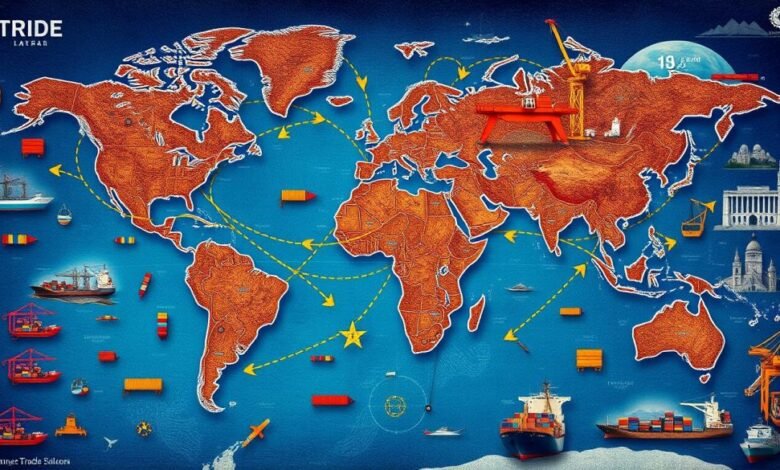
Achieving energy resilience requires moving beyond isolated national power grids toward integrated regional electricity markets. Cross-border power interconnectors allow nations with excess clean energy production to export surplus electricity directly to neighboring demand centers, stabilizing regional spot markets and balancing grid frequencies.
Key policy drivers and international framework developments include:
- Standardizing Regional Power Purchase Agreements (PPAs): Harmonizing regulatory mechanisms and cross-border tariff structures is critical to establishing transparent, multi-nation electricity trading corridors. Standardized off-take agreements reduce legal complexity, lower political risk premiums, and accelerate private-sector project financing across emerging markets.
- Strengthening Continental Interconnections: Intergovernmental initiatives—such as the GCC Interconnection Authority (GCCIA) in the Middle East, alongside the West African Power Pool (WAPP) and Eastern Africa Power Pool (EAPP)—demonstrate the economic value of connected grids. Linking national power authorities enables efficient load sharing during supply shocks, reduces baseline generation reserve requirements, and maximizes clean energy utilization.
- National Decarbonization Mandates and Grid Commitments: Sovereign net-zero targets must be backed by enforceable grid access codes and non-discriminatory third-party access (TPA) rules. Opening transmission networks to independent power producers (IPPs) drives private investment into clean utility assets while encouraging competition in wholesale generation markets.
CAPITAL ALLOCATION, DE-RISKING MECHANISMS, AND BANKABILITY
Unlocking the trillions of dollars needed for global grid modernization requires bridging the gap between institutional private capital and high-impact infrastructure projects across emerging economies. While international capital is available, high perceived political, regulatory, and currency exchange risks often restrict long-term project bankability.
Strategic finance solutions discussed during the executive summit include:
- Blended Finance and Multilateral Risk Mitigation: Multilateral Development Banks (MDBs) and Development Finance Institutions (DFIs) are increasingly deploying blended finance structures. By providing concessionary first-loss capital, partial risk guarantees (PRGs), and political risk insurance, development institutions absorb early-stage project risks, crowding in commercial banks and private equity funds.
- Mitigating Currency Mismatch and Sovereign Risk: Foreign currency fluctuations pose a constant financial threat to long-term power projects in developing markets, where revenues are collected in local currencies while debt service is denominated in USD or EUR. Implementing localized currency hedging facilities, indexation mechanisms, and sovereign payment guarantees helps stabilize project cash flows over 20-to-30-year operational horizons.
- Green Bonds and ESG-Aligned Capital Infrastructure: Institutional investors are redirecting capital toward Certified Green Bonds and Sustainability-Linked Loans. Power developers who align asset portfolios with strict Environmental, Social, and Governance (ESG) disclosures gain access to lower cost-of-capital tranches, lowering overall construction expenses for large-scale solar, hydro, and transmission initiatives.
SOUTH-SOUTH KNOWLEDGE TRANSFER AND CAPACITY BUILDING
The rapid expansion of the global energy sector has created an acute demand for specialized technical expertise, project management capabilities, and local workforce development. Developing sustainable energy ecosystems requires pairing international technology imports with long-term domestic human capital cultivation.
Strategic initiatives accelerating regional capability building include:
- Technology Transfer and Localized Value Chains: Sovereign nations are increasingly pairing foreign direct investment (FDI) approvals with local content requirements. Directing equipment manufacturers to establish regional assembly plants, testing centers, and technical service hubs builds domestic industrial capabilities while reducing supply chain delays for replacement components.
- Cross-Regional Engineering Collaboration: Establishing technical exchange frameworks between utility operators across the Middle East, Africa, and Asia allows engineers to share operational data on desert PV degradation, high-voltage grid automation, and heavy BESS management. This peer-to-peer knowledge sharing accelerates localized problem-solving without duplicating trial-and-error cycles.
- Upward Workforce Upskilling for Digital Grids: As power networks shift toward autonomous SCADA systems, AI-driven predictive maintenance, and digital substations, utilities are heavily investing in workforce retraining. Training programs focus on equipping electrical engineers with data science, cybersecurity, and advanced automation skills to operate software-defined energy networks safely.
EXECUTING THE GLOBAL ENERGY TRANSITION
The executive consensus delivered at Middle East Energy 2026 makes one reality clear: achieving a secure, sustainable, and affordable global energy future requires seamless alignment between public policy, private capital, and technical execution.
By establishing transparent regulatory corridors, deploying innovative blended-finance structures, and investing in localized engineering talent, regional energy leaders are building the foundation for long-term power resilience. Moving from isolated national planning to unified, cross-border energy networks ensures that clean, reliable power can drive economic prosperity and industrial growth across generations to come.